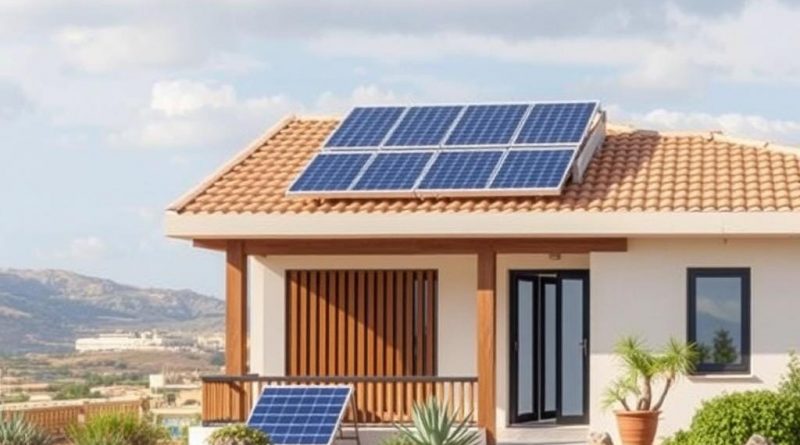
Renewable Energy Mandates and Their Impact on Cyprus Property Prices
The energy landscape in Cyprus is undergoing a pivotal transformation driven by the adoption of stringent renewable energy mandates. These legislative efforts are designed to reduce environmental footprints, promote sustainability, and shift the island towards a greener, more resilient energy future. Embedded within this broader change is a significant ripple effect on the Cyprus real estate 2026 market, with tangible implications for property values, buyer demands, and construction trends. This article explores the nexus between energy policy and real estate economics, focusing in particular on the renewable energy law Cyprus has enacted, the solar mandate property regulations, and how they collectively shape the sustainable housing market.
The Evolution of Renewable Energy Law Cyprus
The trajectory of renewable energy legislation in Cyprus dates back several years, with a clear goal: to align the island’s energy production with European Union targets for decarbonization and climate neutrality. The renewable energy law Cyprus introduced is not merely an environmental statute but a comprehensive framework affecting energy generation, consumption, infrastructure, and compliance. It stipulates how much electricity must come from renewable sources like solar, wind, and bioenergy.
Cyprus’s unique geographic and climatic conditions, characterized by abundant sunshine throughout the year, make solar power a particularly efficient renewable energy source. The law capitalizes on this advantage by enforcing requirements that push for increased solar installations, especially in residential and commercial buildings.
By 2026, Cyprus aims to meet a threshold of renewable energy penetration that would significantly reduce reliance on imported fossil fuels. The renewable energy law Cyprus enacted includes penalties for non-compliance and incentives for early adopters. It mandates utility companies to incorporate renewable sources into grids and mandates new constructions to meet certain energy efficiency criteria. These regulations foster a shift in construction and renovation practices tied directly to the property market dynamics.
Cyprus’s renewable energy law transforms energy generation and consumption, redefining property values through mandated sustainable practices.
Understanding the Solar Mandate Property Regulations
One of the most impactful components of the renewable energy law Cyprus enforced is the solar mandate property directive. This regulation requires new residential and commercial buildings to integrate solar heating or photovoltaic systems. The solar mandate property rules are rigorous, reflecting Cyprus’s commitment to leveraging solar energy given its high solar potential.
The mandate specifies minimum energy generation targets from solar installations, scaled according to building size and type. For instance, single-family homes are required to install solar water heaters or photovoltaic panels sufficient to meet a set percentage of their annual energy consumption. Larger commercial buildings have higher thresholds to fulfill.
This solar mandate property system has a cascading effect on the construction industry. Architects, builders, and developers must now incorporate solar technologies from the initial design stages, impacting construction costs, timelines, and building specifications. Over time, these solar-equipped properties benefit from reduced energy expenses—an advantage that has become a critical selling point in Cyprus’s real estate market as buyers become more energy-conscious.
The modulation of costs between installation expenditure and long-term savings is key to understanding buyer willingness to pay premiums for solar-compliant properties.
| Building Type | Solar Requirement | Expected Energy Savings |
|---|---|---|
| Single-family homes | Solar water heater or PV panels covering 40% of annual heating/energy needs | 20-30% on annual energy bills |
| Apartment complexes | Centralized solar heating systems plus individual PV units | 25-35% |
| Commercial buildings | Photovoltaic systems covering at least 50% of electricity consumption | 30-40% |
The solar mandate property rules convert Cyprus’s abundant sunlight into tangible value for homeowners and investors alike.
Green Energy Impact Prices: Market Forces at Play
The integration of renewable energy mandates into housing design and policy has unmistakable consequences on property pricing. The green energy impact prices in Cyprus are a reflection of market adjustments responding to new building regulations, energy cost savings, and evolving buyer preferences.
Properties compliant with solar and green energy requirements typically command higher market values. This premium is grounded in several factors. First, there is the direct cost recovery expectation, as owners benefit from reduced utility expenses over time. Second, sustainability considerations increasingly influence buyers willing to pay more for energy-efficient homes that reduce carbon footprints.
The green energy impact prices are more visible in areas undergoing new development or significant refurbishment. Regions popular for tourism, expatriate residency, or local demand have shown measurable increases in price growth. These are correlated with the level of compliance with renewable energy law Cyprus regulations and the integration of advanced solar technologies.
Notably, investors view renewable energy compliance as an indicator of future-proofed assets. The ability to meet or exceed energy mandates denotes lower risk, better liquidity, and faster sales—elements crucial to property valuations.
Cyprus Real Estate 2026: Projecting Trends and Transformations
Looking ahead to Cyprus real estate 2026, the cumulative effects of the renewable energy law Cyprus and the solar mandate property regulations are expected to become clear. The sustainable housing market will be shaped by a combination of regulation compliance, technological innovation, and evolving buyer demographics.
Key trends forecasted include:
- Increased adoption of solar-powered homes: Nearly all new constructions will integrate photovoltaic systems as standard, going beyond minimum regulatory requirements in many cases.
- Rise in property premiums for green-certified housing: Sustainable homes will consistently command price advantages, estimated at 5-15% above conventional properties.
- Shift in investment focus: Developers and investors will prioritize renewable energy-enabled assets to appeal to environmentally conscious buyers and meet financing criteria.
- Retrofitting and renovation surge: Existing properties will undergo upgrades for compliance, further stimulating the sustainable housing market.
These changes imply a real estate landscape where sustainability metrics and energy performance certificates are integral. Transparency and data accuracy on energy efficiency become selling points and negotiation tools.
By 2026, Cyprus’s real estate market will be woven tightly with renewable energy compliance, shifting buyer expectations and pricing power.
Sustainable Housing Market: Challenges and Opportunities
The shift towards a sustainable housing market in Cyprus is not without its obstacles. The initial capital outlay required for solar installations, efficient design elements, and compliance with the renewable energy law Cyprus can be a barrier for some developers and homeowners. Furthermore, supply chain issues, skilled labor shortages in renewable technologies, and regulatory inertia can slow adoption rates.
However, these challenges coexist with strong opportunities. Cyprus’s ample solar resource remains a distinct competitive advantage for large-scale adoption of solar technologies. Government incentives, subsidies, and EU funding schemes offset investment costs, making sustainable housing more financially feasible. The growth in eco-tourism and the demand for “green” vacation properties also stimulate market demand.
Strategies for stakeholders include leveraging technology advancements such as smart grids, battery storage, and energy management systems to maximize the benefits of solar mandates.
Table: Key Challenges vs Opportunities in Cyprus Sustainable Housing
| Challenges | Opportunities |
|---|---|
| High upfront installation costs | Government subsidies reduce financial burden |
| Limited local expertise in renewable tech | Training programs and EU support expand workforce skills |
| Supply chain disruptions for solar equipment | Growing local manufacturing and imports diversify supply |
| Resistance to regulatory changes | Increasing buyer demand drives market acceptance |
The sustainable housing market in Cyprus balances initial challenges with substantial long-term returns, environmental benefits, and economic growth.
Transforming Buyer Behavior Through Renewable Energy Incentives
Beyond structural regulations, renewable energy incentives strongly influence consumer behavior in the Cyprus housing market. Policies such as tax rebates, feed-in tariffs for solar power sold back to the grid, and low-interest green mortgages encourage buyers to seek renewable-compliant properties. These incentives directly affect demand elasticity and bidding competition on sustainable homes.
Buyers factor in not only the direct cost savings from reduced energy bills but also long-term asset value and social responsibility considerations. Environmental awareness, particularly among younger homeowners and expatriates, is reshaping market dynamics rapidly. This cultural shift complements the technical and legislative frameworks, making the solar mandate property rules not just a compliance issue but a market differentiator.
Real estate agents and developers are recalibrating marketing strategies to emphasize solar installations, energy ratings, and sustainability features as prime selling points.
The Broader Economic Impact of Cyprus’s Renewable Energy Push
The renewable energy law Cyprus has instituted and the solar mandate property regulations extend their influence well beyond the property sector. They stimulate ancillary markets such as solar panel manufacturing, installation services, energy auditing, and green construction materials. The cumulative economic effect supports job creation and enhances Cyprus’s energy security by reducing costly fossil fuel imports.
Moreover, the green energy impact prices reverberate through financing markets. Banks increasingly underwrite mortgages with environmental compliance in mind. Insurance firms factor energy efficiency into risk assessments. The financial ecosystem around property sales and development is gradually evolving to accommodate this new green framework.
The intersection of economic growth and environmental sustainability presents Cyprus with a unique model for island economies worldwide grappling with climate change and energy vulnerability.
Cyprus’s renewable energy mandates serve as a catalyst for broad economic revitalization, positioning sustainable real estate as a cornerstone of future prosperity.
Looking Forward: Cyprus’s Path Towards an Energy-Positive Property Market
With the steady implementation of renewable energy law Cyprus, along with enhanced solar mandate property regulations, Cyprus is poised to become a leader in sustainable real estate development in the Mediterranean region. Projections signal a property market where being energy-positive—generating more energy than consumed—is increasingly attainable and rewarded.
This evolution necessitates continued policy refinement, investment in research and development, and public awareness campaigns. Collaboration between government, private sector, and civil society is essential to sustain momentum and address emerging barriers.
As Cyprus approaches the 2026 horizon, the sustainable housing market will showcase what is possible when environmental imperatives and market incentives align. The island’s real estate portfolio will not only reflect economic value but also a guardianship of natural resources crucial to its identity and future.
Cyprus is charting a course towards an energy-positive housing market, blending innovation, policy, and market forces for sustainable prosperity.
Why Cyprus’s Renewable Energy Mandates Matter To Every Property Stakeholder
The multifaceted impact of renewable energy mandates in Cyprus transcends policy jargon and technical specifications. For homeowners, buyers, and investors, these regulations represent a paradigm shift in property valuation, desirability, and risk mitigation. For developers and real estate professionals, they set new standards for design, construction, and marketing.
The transformative nature of the renewable energy law Cyprus rests in its ability to integrate environmental stewardship with economic incentives, creating a feedback loop that steadily elevates property market quality and sustainability. This is not merely a regulatory compliance issue; it is a long-term strategy that revamps Cyprus’s property identity on the global stage.
Understanding these mandates and their consequences is crucial for anyone navigating the Cyprus real estate 2026 marketplace. The convergence of green energy impact prices, solar mandates, and sustainable housing market trends defines the next generation of property investment and living standards on the island.
Ultimately, embracing renewable energy mandates enhances value, supports climate goals, and fosters a resilient, vibrant property market for Cyprus’s future.
Renewable energy mandates are the linchpin of Cyprus’s evolving property market, marrying economic vitality with environmental responsibility.
Frequently Asked Questions
- What is the renewable energy law Cyprus, and how does it affect property?
The renewable energy law Cyprus mandates specific percentages of renewable energy use in buildings, affecting new constructions by requiring solar installations and energy-efficient designs, which in turn influence property values and market demand. - What is meant by solar mandate property in Cyprus?
Solar mandate property refers to legal requirements that new homes and commercial buildings incorporate solar systems to cover a portion of their energy or heating needs, ensuring alignment with Cyprus’s green energy targets. - How does green energy impact prices in Cyprus’s real estate market?
Properties compliant with renewable energy mandates tend to have higher prices because of long-term energy cost savings, higher demand among eco-conscious buyers, and perceived asset resilience. - What changes will Cyprus real estate 2026 likely reflect due to these mandates?
The market will see increased prevalence of solar-powered homes, higher premiums on green-certified properties, more renovations for compliance, and shifting investor priorities focused on sustainable housing. - Are there financial incentives for buyers or developers complying with renewable energy laws in Cyprus?
Yes, Cyprus offers subsidies, tax rebates, low-interest loans, and feed-in tariff schemes that reduce upfront costs and encourage investment in solar and energy-efficient properties. - What challenges does the sustainable housing market face in Cyprus?
Key challenges include higher initial costs, limited local renewable technology expertise, supply chain issues, and resistance to new regulations. - How do renewable energy mandates affect property resale value?
Properties compliant with mandates generally experience better resale values due to improved energy efficiency, lower running costs, and increasing buyer preference for sustainable homes.