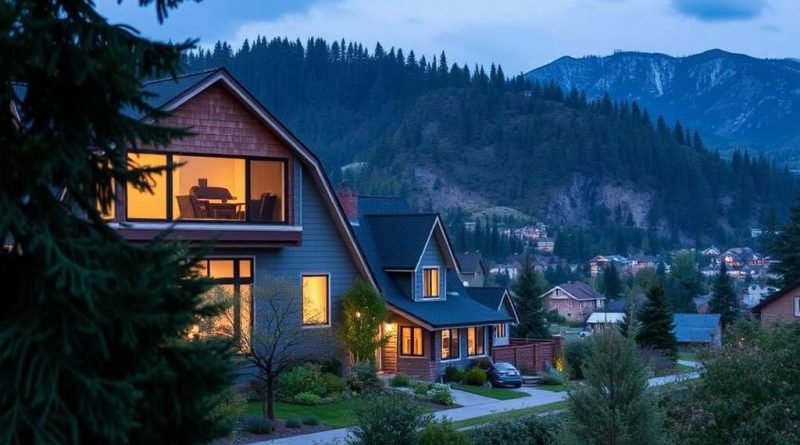
Remote-Work Migration: How Village Real-Estate Prices Are Changing in 2026
The rise of remote work is reshaping the real estate landscape worldwide, with profound effects on rural areas and small villages. As companies continue to embrace flexible work arrangements, the demand for rural properties—especially in countries like Cyprus—is surging. This migration trend, predominantly driven by remote workers seeking a better quality of life, is altering traditional housing markets and challenging long-standing assumptions about real estate value in non-urban regions. The year 2026 marks a critical juncture where the combined forces of technology, lifestyle preferences, and economic shifts are driving a rural property boom that experts are watching closely.
This article explores the intricacies of how remote work property demand is evolving in 2026, with a focused lens on the village house prices Cyprus has experienced. It delves into migration trends in Cyprus, the larger digital nomad impact on real estate, and how these changes reflect and influence broader global patterns. Throughout, the narrative highlights the implications for potential buyers, sellers, investors, and policymakers looking to understand and adapt to this shifting terrain.
The Rise of Remote Work and Its Influence on Rural Living
The COVID-19 pandemic accelerated remote work adoption worldwide, breaking down barriers that traditionally tethered employees to city offices. As remote work property demand grows, individuals now prioritize living environments with space, tranquility, and affordability, which urban centers often lack. Rural villages, once overlooked, are now prime targets for remote workers seeking lifestyle upgrades without sacrificing career opportunities.
In 2026, this transformation is cemented. The flexibility of remote work is irreversible for many sectors, embedding a long-term shift favoring rural migration. Workers prioritize connectivity, natural surroundings, and community, leading to significant interest in village homes that combine these elements with accessibility to technology infrastructure.
Remote work is no longer a temporary adjustment but a permanent shift fueling unprecedented demand for village properties worldwide.
This demand surge has profound social and economic effects. Rural economies may revitalize as newcomers invest locally. However, the strain on local infrastructure and housing markets could trigger price increases and displacement concerns for longtime residents.
Village House Prices Cyprus: A Case Study of 2026 Trends
Cyprus offers an instructive example of rural real estate transformations prompted by remote work in 2026. Known for its Mediterranean climate, scenic villages, and comparatively low cost of living, Cyprus has become a hotspot for remote workers and digital nomads. This influx is directly impacting village house prices Cyprus sees, with significant appreciation in certain areas.
Prices in villages once affordable for locals now reflect global demand. Real estate agents report increased inquiries from buyers based in Northern and Western Europe, as well as remote employees from the UK and Russia. Villages such as Omodos, Lefkara, and Kakopetria illustrate hotspots where demand has pushed prices up by 15-30% compared to recent years.
Several factors drive this trend:
- Improved internet infrastructure: Enhanced broadband coverage in rural Cyprus makes remote work feasible.
- Appeal of lifestyle upgrade: Buyers seek centuries-old village charm mixed with modern amenities.
- Tax incentives and residency programs: Cyprus offers attractive schemes for foreigners.
Village house prices Cyprus have seen a substantial rise, reflecting the growing appeal of rural living aligned with remote work flexibility.
However, this increase raises concerns about affordability for Cypriots living traditionally in these villages, signaling potential socioeconomic tensions as demand skews prices beyond local income levels.
Migration Trends 2026 Cyprus: Who Is Moving and Why?
Understanding migration trends 2026 Cyprus requires dissecting the profiles and motivations of new residents. The majority fall into three categories: digital nomads, retirees seeking tranquility, and remote professionals prioritizing lifestyle and cost savings.
Digital nomads represent a significant driver. Their transient yet longer-term stays influence not just property demand but local service economies. Many opt for village life due to the combination of affordability, natural beauty, and increasing cultural engagement through expatriate networks.
Meanwhile, retirees—from Europe and beyond—are drawn by Cyprus’s healthcare infrastructure and slow-paced rural living. Remote professionals often rent or purchase homes outright to escape congested cities like London or Berlin.
The migration is not unidirectional, though. Some locals, particularly youth, migrate to urban centers due to affordability pressures—a dynamic that shifts demographics and calls for careful urban-rural policy balance.
Remote work and lifestyle choices are reshaping Cyprus’s population distribution, injecting new dynamics into village economies and demographics.
Digital Nomad Impact Real Estate: Shaping Demand and Market Characteristics
Digital nomads have a distinct influence on real estate markets, especially in rural or semi-rural settings popular in Cyprus and similar Mediterranean locales. Their impact extends beyond volume, affecting the character and quality expectations of village housing stock.
Digital nomads seek properties equipped with dedicated workspace areas, high-speed internet, and proximity to social and recreational amenities. This demand has led to renovations and upgrades in older village homes to meet these criteria, raising overall market standards.
Additionally, digital nomads’ transient nature encourages flexible leasing arrangements, altering local rental markets and creating a hybrid ecosystem of short- and long-term occupancy. This flexibility can benefit landlords but also poses challenges for community cohesion and housing stability.
Real estate developers respond by introducing co-living spaces, smart home technology, and eco-friendly housing solutions tailored to this demographic. Such developments often cluster near village centers or scenic locations to combine convenience and lifestyle appeal.
| Digital Nomad Preference | Market Impact | Examples |
|---|---|---|
| High-speed Internet | Investment in broadband infrastructure and tech upgrades | Village fiber-optic projects in Cyprus |
| Flexible leasing | Rise in short-term rental markets alongside traditional rentals | Airbnb and local rental platforms |
| Modern amenities in traditional homes | Renovation and gentrification pressures | Refurbishment projects in Paphos district villages |
Digital nomads are not just changing where people live but how village homes are designed, marketed, and managed.
Rural Property Boom: Economic and Social Consequences in 2026
The rural property boom triggered by remote work migration has deep economic and social effects. From an economic perspective, growing property values increase wealth for some homeowners and create investment opportunities. At the same time, rising prices elevate the cost of living, impacting affordability and local labor markets.
Local businesses experience a renaissance fueled by increased demand for services such as cafes, grocery stores, and coworking spaces. Some villages have successfully attracted start-ups, creative industries, and tourism ventures aligned with new residents’ expectations.
However, rapid changes bring social tensions. Long-term residents sometimes view newcomers as disruptors to their traditional way of life. Cultural clashes, rising rent, and property taxes cause friction, demanding sensitive governance and inclusive community plans.
Policymakers face the challenge of balancing growth with preservation, seeking to ensure infrastructure keeps pace while protecting local heritage and social equity.
The rural property boom is a double-edged sword—ushering economic vitality but requiring mindful management to protect community cohesion.
Looking Ahead: How Remote Work Will Continue to Influence Village Real Estate Markets
As 2026 unfolds, remote work’s influence on village real estate markets appears embedded, not ephemeral. Technological advances, ongoing shifts in workforce culture, and global economic drivers indicate the trend will persist and even deepen in the near future. While regional specifics—such as village house prices Cyprus have exhibited—vary, the underlying forces remain uniform globally.
Expectations include further integration of digital infrastructure with green building practices, evolving legal frameworks to accommodate remote workers and flexible residency statuses, and a diversification of rural economies. Real estate markets will likely become more segmented, reflecting varied preferences: from luxury rural retreats to affordable communal living arrangements targeted at younger remote professionals.
For investors, homeowners, and policymakers, the call is to embrace innovation while preserving village identity. Adaptive strategies and collaboration with residents will define which communities thrive and which may struggle under migratory pressures.
Remote work’s long-term imprint on rural real estate demands proactive adaptation and inclusive planning for sustainable village futures.
Embracing the Remote Work Revolution: The New Rural Frontier in Real Estate
The migration driven by remote work has fundamentally altered the real estate equation in villages worldwide, with Cyprus standing as a clear microcosm of this global shift. Remote work property demand in 2026 proves that traditional urban-centric housing models are yielding to more distributed, lifestyle-driven choices. Village house prices Cyprus now reflect a dynamic balance of opportunity and challenge, resulting from migration trends 2026 Cyprus cannot ignore.
Digital nomads are not just visitors but catalysts for a new market reality, increasing competition for rural properties and prompting modernization. The rural property boom offers economic revitalization but also requires thoughtful policy to maintain affordability and social harmony. As these forces evolve, villages become new centers of innovation and quality of life rather than backwaters displaced by urban sprawl.
Understanding these patterns equips buyers, sellers, developers, and governments to navigate the nuances of a changing market. The remote work revolution is a pivotal moment—a new rural frontier in real estate that, when harnessed responsibly, can redefine community, individual well-being, and economic resilience for decades ahead. Adaptation is not optional; it is essential for sustaining the villages that now beckon the global workforce.
Frequently Asked Questions
- How has remote work affected property demand in rural areas?
Remote work has significantly increased demand for rural properties as workers seek lifestyle improvements and affordability outside congested urban areas. - Why are village house prices in Cyprus rising in 2026?
Rising prices are driven by remote workers and digital nomads attracted to Cyprus’s quality of life, improved internet infrastructure, and favorable residency policies. - What are the main migration trends impacting Cyprus’s villages?
Cyprus sees growth from digital nomads, retirees, and remote professionals moving to rural areas, altering demographics and economic dynamics. - How do digital nomads influence local real estate markets?
They increase demand for modern, tech-enabled homes, flexible leasing options, and contribute to renovation and gentrification processes in villages. - What social challenges arise from the rural property boom?
Challenges include affordability pressures for locals, cultural tensions between newcomers and residents, and infrastructure strain requiring careful management. - Will the trend toward rural living continue beyond 2026?
Yes, the shift is expected to persist as remote work becomes more entrenched, driving further rural property demand and market evolution. - How should policymakers address changes from remote work migration?
Policymakers should balance growth with preserving heritage and affordability by investing in infrastructure, inclusive planning, and supportive housing policies.