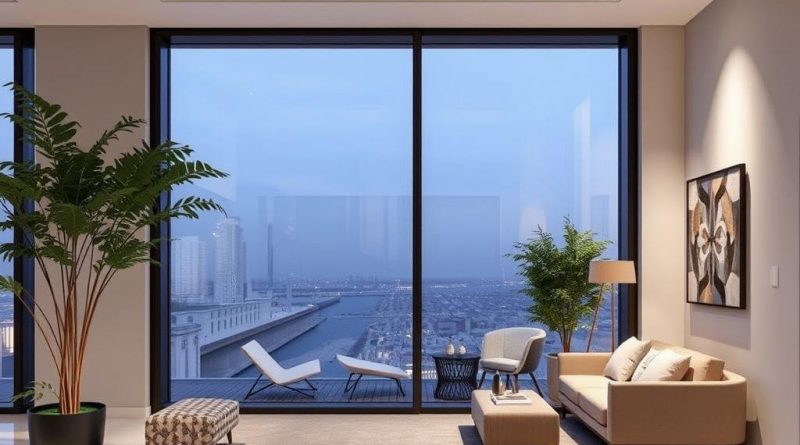
Post-Pandemic Workspace Conversions: Offices Turning into Flats in Cyprus
The landscape of real estate in Cyprus has undergone significant transformation after the global pandemic reshaped how people live and work. With the rise of remote work and digital connectivity, the demand for traditional office spaces has diminished, leading to a compelling shift in property usage across the island. A notable development in this context has been the conversion of office buildings into residential flats — a trend that has rippled through Cyprus’s urban fabric, particularly in its major cities. This phenomenon speaks to the broader post pandemic real estate Cyprus market adjustments, as stakeholders explore new ways to optimize existing assets amid changing socioeconomic realities.
The office to residential conversions in Cyprus are emblematic of adaptive reuse strategies that respond to evolving urban needs. These repurposed buildings Cyprus offer fresh residential options while revitalizing underused infrastructure. At the same time, this shift reflects larger trends worldwide—where workspace conversion trend responses have become key to urban regeneration, mixed use developments, and sustainability agendas. This article explores the factors driving office to residential Cyprus conversions, their execution challenges, impacts on Cyprus’s property markets, and the outlook for future real estate repurposing.
Understanding the Shift: From Office Blocks to Residential Flats
The shift from commercial to residential property use in Cyprus must be understood against the backdrop of rapid changes in work culture and urban planning paradigms. Offices, especially those built during Cyprus’s economic boom, often feature designs that no longer align with contemporary needs. The pandemic accelerated the adoption of remote working models. This, in turn, decreased demand for conventional office space, leaving many buildings underutilized.
Simultaneously, Cyprus has experienced steady population growth, urbanization trends, and shifts in housing preferences. Demand for residential flats—particularly in accessible urban locations—has surged. The convergence of these factors created a ripe environment for reimagining office spaces as residences.
The pandemic’s catalyzation of remote work drastically reduced office space demand, while urban living needs surged, driving office to residential conversions in Cyprus.
This workspace conversion trend represents a tactical response to avoid property obsolescence. Instead of allowing office buildings to fall into disuse, developers and urban planners see potential in these structures for creating much-needed housing. The appeal grows stronger as repurposed buildings Cyprus often have prime locations with existing infrastructure and connection to amenities, which makes them ideal for residential use.
Post Pandemic Real Estate Cyprus: Market Forces Behind Conversions
Post pandemic real estate Cyprus dynamics, such as changes in supply-demand balances and cost considerations, have fueled the trend of converting offices into flats. Real estate investors and developers are increasingly drawn to these conversions as they represent lower entry barriers compared to greenfield residential projects. Acquiring existing office buildings and transforming them circumvents some risks linked with new construction, including permitting delays and construction hold-ups.
Moreover, the Cyprus government’s evolving stance towards mixed use developments has created an environment conducive to such transformations. Developers can secure permissions for converting commercial structures into mixed use or residential-focused projects, often taking advantage of incentives designed to stimulate urban regeneration.
Flexible policies around mixed use developments have opened doors for investors to revitalize Cyprus’s urban landscape through office-to-residential conversions.
Financially, the appeal is clear. Many office buildings are available at reduced prices due to market corrections post-pandemic. When these are coupled with reasonably low renovation costs, the prospect of returning higher yields from residential leasing or sales becomes highly attractive. This economic feasibility has attracted a diverse group of stakeholders—from local developers to international investors—adding momentum to the workspace conversion trend across Cyprus.
Architectural and Structural Challenges in Office to Residential Conversions
Converting office spaces into residential flats is not a straightforward exercise. The architectural and structural characteristics of office buildings often pose challenges that require innovative solutions. Offices are typically constructed with open floor plans, deep floor plates, and minimal plumbing infrastructure—all features demanding substantial adaptation for comfortable, compliant living spaces.
Natural lighting and ventilation are critical factors in residential design. Offices, especially those designed for dense workspaces, feature less access to window lines per unit area than residential layouts require. This can limit the number of apartments created or considerably increase renovation costs if additional light wells or ventilation shafts are needed.
Another major challenge lies in designing functional kitchens and bathrooms. Offices have centralized restrooms and little in the way of cooking facilities, so plumbing infrastructure has to be dramatically overhauled or expanded. This necessitates careful planning and sometimes structural interventions to accommodate new pipework and waste management systems.
Successfully converting office buildings to flats requires overcoming inherent design limitations, notably lighting, ventilation, and plumbing.
Aside from functional issues, compliance with residential building codes—covering safety, fire regulations, sound insulation, and accessibility—must be addressed rigorously. This often triggers additional retrofitting and handiwork, which can escalate costs and timelines. Thus, comprehensive feasibility assessments and integrated design strategies are essential before undertaking repurposed buildings Cyprus projects to ensure practical and legal viability.
Impact on Cyprus’s Urban Fabric and Housing Market
The emergence of office to residential conversions has noticeable effects on Cyprus’s urban fabric and housing market dynamics. On the positive side, these projects inject new residential life into once-commercial districts. This urban densification reduces sprawl and leverages existing transit and utility infrastructure efficiently, enhancing sustainability and urban vibrancy.
Neighborhoods with repurposed office buildings often witness a shift towards a mixed-use ambiance, where living, working, dining, and leisure coexist within walking distance. This is aligned with contemporary urban planning goals and matches Cyprus’s aspirations to enhance urban quality of life.
On the market side, conversions have contributed to easing some pressure on residential supply, especially in cities like Nicosia, Limassol, and Larnaca. By increasing the stock of flats through conversions, the market has been supplied with homes that are often more affordable than newly built developments, although pricing is still location-dependent.
| City | Typical Office Conversion Areas | Effect on Residential Supply |
|---|---|---|
| Nicosia | Central Business District, Strovolos | Medium increase |
| Limassol | Agios Nicolaos, Mesa Geitonia | High increase |
| Larnaca | City Centre, Finikoudes | Moderate increase |
Conversions refresh urban neighborhoods and offer new living options while making efficient use of Cyprus’s existing urban provisions.
However, such transformations are not without concerns. Potential overcrowding, parking shortages, and strain on local services need to be addressed proactively. Local authorities and developers must collaborate to ensure that conversions integrate smoothly into communities without compromising infrastructure or quality of life.
The Role of Mixed Use Developments in Cyprus’s Future
Mixed use developments have emerged as a cornerstone of Cyprus’s post pandemic real estate Cyprus strategy. These developments deliberately blend residential, commercial, and sometimes recreational functions within a single building or district, aligning perfectly with the workspace conversion trend. Offices turned into flats often become part of larger mixed use schemes that combine shops, co-working spaces, cafes, and public areas.
This approach accommodates contemporary lifestyle demands, where convenience and multifaceted urban experiences are prioritized. It also mitigates the risk of single-use zones that suffer economic downturns when one sector falters—a lesson underscored by the pandemic.
For developers, mixed use developments increase project resilience and market appeal. Investors gain diversified income streams, and end-users benefit from thoroughly integrated amenities.
Mixed use developments shape a resilient and vibrant urban Cyprus, acting as fertile ground for office-to-residential transformations.
Cyprus’s planning authorities have increasingly supported mixed use projects by streamlining approval processes and offering incentives. The successful integration of converted office flats into mixed use complexes points toward a sustainable and adaptable urban future where repurposed buildings Cyprus play a key role.
Looking Ahead: Trends and Opportunities in Workspace Conversion
The workspace conversion trend shows strong potential to continue shaping Cyprus’s real estate landscape. Several factors ensure this: persistent hybrid work models, Cyprus’s growing urban populations, and increasing awareness of sustainability imperatives. Green retrofitting measures embedded in office to residential Cyprus projects—such as energy-efficient glazing, improved insulation, and renewable energy systems—enhance their appeal to environmentally conscious residents.
Technological advancements facilitate smarter building management and living experiences within repurposed structures. Property owners are also exploring modular interior solutions that allow flexible unit sizes and layouts, catering to diverse tenant needs and changing market conditions over time.
Moreover, cross-sector partnerships between public entities, private developers, and community groups promise more holistic transformations. For example, combining affordable housing mandates with office conversion schemes could address Cyprus’s housing affordability crisis while stimulating economic vibrancy through mixed use developments.
The fusion of sustainability, technology, and planning innovation positions office to residential Cyprus conversions as a crucial part of the island’s resilient real estate future.
In summary, workspace conversions in Cyprus are far more than a stopgap solution. They mark a profound evolution in how cities adapt to global disruptions, harness local opportunities, and envision liveable, sustainable urban futures.
Turning Offices into Homes: A New Chapter for Cyprus’s Cities
Post-pandemic reality has rewritten Cyprus’s urban story. The transformation of office buildings into residential flats is a telling example of adaptation, resilience, and innovation. What once were spaces of daily professional interaction now offer the walls for new domestic stories, families, and communities. This shift is not just physical or economic; it is emblematic of Cyprus’s capacity to reinvent itself in times of uncertainty.
While challenges exist—ranging from architectural constraints to infrastructure demands—the benefits of repurposed buildings Cyprus grow increasingly clear. Through cautious, well-planned conversions integrated into mixed use developments, Cyprus’s cities can thrive with balanced urban environments that meet modern living preferences.
The lasting impact of workspace conversions may be measured in more than square meters or investment returns. It lies in revitalized neighborhoods, diverse housing options, sustainable urban growth, and a connected community fabric. This is the post-pandemic legacy Cyprus can proudly claim—a living testament to how places and people evolve together in a changing world.
Office-to-residential conversions mark a dynamic rebirth for Cyprus’s cities, where adaptability crafts the foundation for future urban vitality.
Frequently Asked Questions
- What factors have accelerated office to residential conversions in Cyprus?
This trend accelerated due to reduced demand for office space following the rise of remote work, increased housing needs, and supportive regulatory frameworks encouraging mixed use developments. - Are office to residential conversions financially viable for developers in Cyprus?
Generally yes; lower acquisition costs for offices and relatively moderate renovation expenses make conversions attractive compared to new builds, especially in prime urban areas. - What are the main challenges when converting office buildings into flats?
Challenges include ensuring adequate natural light, ventilation, plumbing for kitchens and bathrooms, compliance with residential codes, and adapting open floor plans into livable units. - How do mixed use developments complement office to residential conversions?
They integrate residential flats with commercial and recreational spaces, creating vibrant, sustainable urban environments and reducing dependency on single-use zones. - Is there government support for repurposed buildings in Cyprus?
Yes, planning authorities have introduced incentives and streamlined procedures to encourage conversions and mixed use developments as part of urban regeneration efforts. - What impact do these conversions have on local communities?
Conversions can revitalize neighborhoods, increase housing supply, and promote urban vitality but require careful infrastructure planning to avoid overcrowding or service strain. - Will the workspace conversion trend continue in Cyprus?
Current indicators like ongoing hybrid work models, sustainability focus, and population growth suggest the trend will persist and evolve with technological and policy innovations.