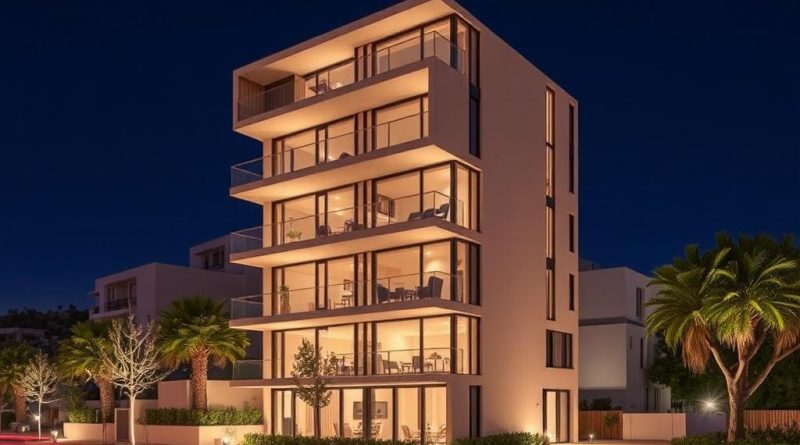
Limassol Micro-Apartment Boom: Will Tiny Units Stay in Demand?
The urban housing landscape in Limassol, Cyprus, has undergone a remarkable transformation over the last decade. The once-prevailing preference for spacious family homes is yielding to a burgeoning interest in micro apartments Limassol, which cater to a growing demographic of young professionals, expatriates, and investors seeking efficient, modern living spaces at affordable prices. This shift is rooted in socio-economic dynamics, lifestyle changes, and market forces unique to Limassol’s expanding real estate environment.
As Limassol evolves into a vibrant economic hub and Mediterranean hotspot, the demand for compact urban housing is intensifying. Managing limited space while addressing rising property prices catalyzes the development of small studio trends Cyprus-wide, with Limassol at the forefront. However, the question remains: will these tiny units hold their appeal over the long term, or are they merely a transient phase in the region’s real estate cycle? Exploring market drivers, architectural innovations, demographic shifts, and investment viability unveils a comprehensive picture of the micro apartment boom’s future in Limassol.
The Genesis of Micro Apartments in Limassol
The concept of micro apartments—compact, highly functional living spaces usually under 40 square meters—entered Limassol’s real estate market roughly a decade ago. Their emergence is closely linked to shifts in population dynamics, economic pressures, and changing attitudes toward urban living. In particular, Limassol’s booming status as Cyprus’ commercial capital attracted a new wave of residents prioritizing convenience and location over sheer living area.
High land values and construction costs in Limassol’s prime districts increased the average price per square meter significantly, making traditional family-sized apartments prohibitively expensive for many. Developers responded by designing micro apartments that maximize limited space with smart layout solutions such as multi-purpose furniture, foldable fittings, and efficient storage solutions.
Moreover, the rising number of single-person households, fueled by younger workers and expatriates employed in emerging sectors like technology and shipping, amplified demand for smaller, well-connected living units. These factors combined to trigger a rapid increase in micro apartment projects.
Micro apartments in Limassol emerged as a strategic response to skyrocketing property prices and shifting living preferences among young and transient populations.
Understanding Small Studio Trends Cyprus-Wide
The micro apartment phenomenon is not confined to Limassol but reflects a broader transformation across Cyprus. Small studio trends Cyprus reveal a nationwide shift in preference toward minimalist and functional housing options. Cities like Nicosia and Larnaca are observing similar patterns, but Limassol’s rapid economic growth and cosmopolitan character make it a particularly fertile ground for such developments.
This trend is underpinned by lifestyle changes. Millennials and Generation Z favor urban lifestyles rich in social interaction, access to public transport, and proximity to workplaces over sprawling homes in suburban areas. Additionally, the prevalence of remote work, hybrid office models, and increased academic enrollments have made compact yet flexible living arrangements highly attractive.
Developers and architects on the island are responding by creating not just small studios but thoughtfully designed spaces that testify to the potential of compact living Cyprus embraces. Projects often integrate communal areas, coworking spaces, and wellness facilities to compensate for the limited private interiors.
Across Cyprus, a clear pivot toward small studios reflects evolving urban lifestyles emphasizing community, convenience, and economic efficiency.
Architectural and Design Innovations Driving Compact Living Cyprus
Design innovation is crucial to the success of micro apartments in Limassol and beyond. The challenge lies in optimizing minuscule footprints without compromising comfort or quality of life. This has led to several technological and architectural breakthroughs supporting the rise of compact living Cyprus-wide.
Key design features include:
- Modular Furniture: Transforming beds, desks, and storage units allow spaces to adapt dynamically to different functions throughout the day.
- Open Floor Plans: Removing unnecessary walls creates a sense of openness despite reduced square footage.
- Maximized Natural Light: Large windows, skylights, and strategic orientations enhance the perception of spaciousness.
- Smart Storage Solutions: Utilizing vertical space, under-floor compartments, and hidden closets to maintain clutter-free interiors.
- Eco-Friendly Materials: Prioritizing sustainable, low-impact construction materials appeals to environmentally conscious buyers.
One compelling example in Limassol is a recent development combining micro units with communal rooftop gardens and leisure facilities, fostering a lifestyle ecosystem within a constrained footprint. These design strategies not only bolster resident satisfaction but also improve marketability.
Innovative design bridges the gap between size and livability, setting compact living Cyprus apart as a model of modern urban housing.
The Real Estate Demand Limassol: Analyzing Market Dynamics for Micro Apartments
Real estate demand Limassol is shaped by multiple, interlocking factors including foreign investment trends, local population changes, and economic development plans. Micro apartments find themselves at the intersection of these trends, benefiting from a unique set of market conditions.
Foreign investors, particularly from the EU and Russia, gravitate toward smaller units as entry points into Limassol’s property market due to their lower capital requirements and predictable rental returns. These tiny apartment investments are seen as increasingly reliable in the face of broader economic uncertainties.
Locally, the growing presence of university students, single professionals, and retirees opting for downsized living spaces creates stable demand layers. Coupled with Limassol’s expanding tech and finance sectors, this adds to real estate demand Limassol enjoys in the micro apartment segment.
The rental market data shows robust occupancy rates for micro units, often exceeding those for traditional apartments due to their suitability for short- to medium-term tenants seeking affordable accommodation near urban amenities.
| Factor | Impact on Micro Apartment Demand |
|---|---|
| Foreign Investment | High demand for affordable, rentable properties |
| Young Professionals | Preference for proximity to workplaces and urban lifestyle |
| University Students | Consistent need for small, affordable accommodation |
| Economic Growth | Increased workforce and housing demand |
| Urban Planning Policies | Support for high-density, compact living solutions |
Micro apartments in Limassol tap into diverse, sustained demand drivers spanning investment, work, education, and urban policies.
Economic and Social Implications of the Micro Apartment Boom
Beyond physical construction and sales figures, the rise of micro apartments influences broader socio-economic dynamics in Limassol. Economically, the influx of compact living units helps absorb urban population growth without exacerbating sprawl or infrastructure strain. This promotes sustainable urban density that benefits public services and environmental goals.
Socially, the phenomenon redefines community interaction and personal living standards. Smaller private spaces necessitate increased engagement in shared environments. Many developments integrate social hubs such as lounges, gyms, or rooftop terraces, enhancing resident interaction and creating a sense of belonging despite spatial constraints.
On the flip side, concerns emerge about the long-term livability of micro apartments, especially for permanent residents. Critics argue that chronic undersized dwellings might increase social isolation or stress, potentially compromising mental wellbeing. It remains essential that developers maintain quality standards and that city regulators monitor these impacts.
The micro apartment boom carries wide-reaching economic benefits but demands careful social consideration to ensure healthy urban living environments.
Tiny Apartment Investment: Assessing Financial Prospects
For investors, tiny apartment investment in Limassol represents both opportunity and risk. The relatively low purchase prices enhance affordability compared to larger properties, allowing more diversified investment portfolios. Additionally, steady rental demand for micro units translates into consistent income streams.
However, investor due diligence is crucial. Factors such as location, building quality, developer reputation, and anticipated urban growth must be scrutinized. Overconcentration of micro apartments in specific neighborhoods could lead to market saturation, decreasing rental yields and resale values.
Potential investors should consider the following financial metrics:
- Rental Yield: Typically higher than traditional apartments due to lower entry costs.
- Capital Appreciation: Dependent on area development and infrastructure improvements.
- Vacancy Rates: Generally low in prime locations but may increase in oversupplied markets.
- Maintenance and Management: Compact units often have lower ongoing costs but require professional upkeep to preserve value.
When executed prudently, tiny apartment investment in Limassol can provide resilient returns, especially as part of a balanced real estate portfolio focusing on the island’s dynamic urban zones.
Smart tiny apartment investment harnesses Limassol’s demand dynamics to deliver favorable and sustainable financial outcomes.
Urban Development and Policy Influence on the Micro Apartment Trend
Government policies and urban planning frameworks play a pivotal role in shaping the trajectory of micro apartment development in Limassol. Recognizing the challenges of urban density and housing affordability, local authorities have gradually introduced regulations encouraging high-density, mixed-use projects that incorporate micro apartments as a key component.
Key policy initiatives include incentivizing green building certifications, easing zoning restrictions for mixed housing types, and promoting infrastructure upgrades in emerging residential districts. These measures create an enabling environment for developers to innovate and meet growing real estate demand Limassol-wide.
Moreover, social housing programs are beginning to explore micro apartments as a cost-effective model to address accommodation shortages for vulnerable populations. While still in nascent stages, these initiatives highlight government acknowledgment of compact living’s potential role beyond private markets.
Urban planners face the challenge of balancing densification with public space preservation, transport accessibility, and community needs. Constant feedback loops between planners, developers, and residents are vital to ensure micro apartment projects contribute positively to Limassol’s urban fabric.
Supportive policies and proactive urban planning underpin the sustainable integration of micro apartments in Limassol’s cityscape.
Will Tiny Units Stay in Demand? Future Outlook for Limassol’s Micro Apartments
The question at the heart of the micro apartment boom is whether this surge in popularity will persist or diminish as market conditions evolve. Current indicators suggest that micro apartments Limassol are not a fleeting trend but a lasting component of the city’s residential mix.
Demographic shifts toward smaller households, persistent affordability constraints in prime locations, and ongoing urbanization trends support sustained demand. Furthermore, the continuous refinement of design and construction standards enhances livability perceptions, broadening appeal beyond early adopters.
At the same time, market saturation in certain submarkets and potential policy shifts—such as stricter minimum size requirements or increased taxes on small properties—could slow growth temporarily. The economic environment and global events influencing foreign investment flows also factor prominently.
Ultimately, the future of tiny apartment investment hinges on adaptability. Developers who innovate with flexible layouts, integrate technology and sustainability, and foster strong community ties will command the enduring interest of residents and investors alike.
The sustainability of Limassol’s micro apartment market depends on continuous innovation and balanced urban strategies that address evolving resident needs.
Redefining Urban Living: What the Micro Apartment Boom Means for Limassol
The micro apartment boom represents more than a mere building trend; it signifies a redefinition of urban living in Limassol. This transformation reshapes how residents interact with their environment, perceive space, and prioritize lifestyle choices. The shift from traditional housing models toward compact living underscores the city’s rapid modernization and its response to global urban pressures.
For Limassol, embracing micro apartments means tackling contradictions—how to accommodate growing populations without sacrificing quality of life, how to ensure affordability without compromising builder standards, and how to create communities from minimal spaces. These challenges spur innovation not only in architecture but in social policy, urban governance, and economic planning.
As micro apartments become a normalized part of the housing stock, they encourage rethinking of infrastructure, public transportation capacity, and community services. Their integration helps mitigate uncontrolled sprawl and enhances sustainability. Moreover, by providing a viable solution for younger generations and transient workers, micro apartments sustain Limassol’s role as a progressive, inclusive Mediterranean city.
In essence, the tiny unit revolution is a cornerstone of Limassol’s future identity—signaling a city that values efficiency, adaptability, and inclusivity in its urban development.
Micro apartments are transforming Limassol’s urban identity, marking a progressive step toward a compact, modern, and sustainable city life.
Frequently Asked Questions
- What are micro apartments, and how big are they typically in Limassol?
Micro apartments in Limassol usually range from 20 to 40 square meters. They are designed to maximize utility through space-efficient layouts. - Who are the main buyers or renters of micro apartments in Limassol?
Primarily young professionals, expatriates, university students, and investors interested in affordable urban housing or rental income. - Are micro apartments a good investment in Limassol’s real estate market?
Yes, when strategically located and well-designed, they offer competitive rental yields and steady demand. - How do small studio trends Cyprus impact urban living standards?
They promote minimalist lifestyles and efficient space usage but require strong community and infrastructural support to maintain quality of life. - What design features make compact living Cyprus practical and comfortable?
Modular furniture, open floor plans, natural lighting, smart storage, and eco-friendly materials contribute to functional and appealing spaces. - Are there government policies supporting micro apartment development in Limassol?
Yes, local authorities encourage high-density housing and mixed-use developments, providing incentives for sustainable building practices. - Will the demand for micro apartments in Limassol continue to grow?
Current trends and demographic changes indicate sustainable demand, provided developers adapt to evolving resident needs and market conditions.