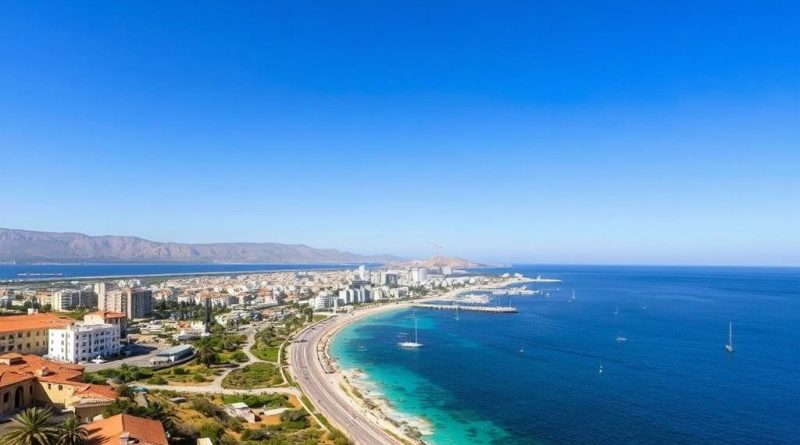
Seafront Land Scarcity: Predicting Price Growth on Cyprus’s East Coast
The East Coast of Cyprus has long captivated investors and developers alike with its stunning beaches, clear waters, and growing tourism appeal. Yet beneath the surface of turquoise waves and sun-kissed shores lies a more complex reality: a mounting scarcity of seafront land Cyprus-wide, but especially poignant on the east coast. This scarcity is reshaping the dynamics of coastal development trends and triggering a recalibration of east coast property prices. For investors and stakeholders, understanding these intertwined factors is crucial for making informed decisions in a market defined by rapid transformation and rarity.
This article provides an in-depth exploration of seafront land scarcity on Cyprus’s east coast, illustrating how it shapes property valuations and projecting how investment forecast Cyprus might evolve in the near future. We examine the regulatory landscape, demographic shifts, infrastructure projects, natural limitations, and broader economic trends that influence this unique real estate segment. By dissecting these elements, we aim to clarify the drivers behind escalating land values and supply constraints that are expected to propel price growth in this coveted region.
The Geography and Appeal of Cyprus’s East Coast
Cyprus is geographically diverse, with its east coast representing a distinct zone of natural assets and developmental challenges. Stretching from the capital city of Ayia Napa northwards to Protaras and beyond to Famagusta, this area boasts some of the island’s most famous beaches, marine reserves, and vibrant resort towns. The south-eastern coast, in particular, offers both idyllic tranquility and burgeoning urbanization, attracting a broad spectrum of buyers from holiday home seekers to high-net-worth investors.
What makes the east coast unique is its dual identity: it is simultaneously a natural sanctuary with protected coastal zones and a hotspot for ambitious construction projects aimed at boosting the tourism economy. The coastline’s sandy beaches, coupled with recent expansions in airport and road infrastructure, have enhanced its position as a must-visit destination in the Mediterranean.
However, this desirability also imposes physical and regulatory pressures on land allocation. Coastal zones often face restrictions meant to preserve environmental integrity, while demand continually outstrips available plots. This tension is at the heart of the land scarcity impact seen on the east coast and is a key factor lifting asset premiums and redirecting development into less accessible or previously overlooked areas.
Cyprus’s east coast balances natural beauty with intense development pressure, creating a perfect storm for rising property prices fueled by seafront land scarcity.
Understanding Land Scarcity Impact on East Coast Property Prices
Seafront land Cyprus-wide is inherently limited due to physical constraints; the island’s coastline stretches only so far, and not all land adjacent to the sea qualifies for unrestricted use. Local planning laws impose a “coastal zone” buffer to protect fragile ecosystems, limiting how much land can be legally sold or developed near the water.
On the east coast, this scarcity manifests itself in a tangible increase in land and property prices. As the pool of available plots shrinks, competition among buyers intensifies, resulting in a steep upward pressure on prices. This phenomenon is not unique to Cyprus; however, the island’s geographic confines and its status as a highly attractive investment destination amplify the effect with notable speed.
Several factors contribute directly to the magnitude of land scarcity impact:
- Planning Restrictions: Coastal protection laws prevent overbuilding and preserve natural habitats; developments must often adhere to stringent zoning and environmental standards.
- Infrastructure Saturation: Although improvements are underway, existing roads, utilities, and public services can only support a finite amount of expansion before costly upgrades become necessary.
- High Demand from Investors: The steady inflow of international buyers seeking second homes or investment properties increases demand but does not correspond with proportional supply growth.
- Tourism Dependency: Cyprus’s economy heavily depends on tourism, which makes coastal development particularly profitable, further driving demand for seafront land.
Because of these components, east coast property prices have seen consistent annual growth rates outpacing inland or less accessible regions. The concentration of demand around coastal nodes, especially near tourist hotspots, means price appreciation is highly localized and often volatile based on market sentiment and policy changes.
Rising prices on the east coast are a direct consequence of limited seafront land availability combined with regulatory and demand pressures, creating a market ripe for investment but challenging for new entrants.
Coastal Development Trends Shaping Future Growth
The trajectory of coastal development trends on Cyprus’s east coast offers critical insight into how land scarcity will continue to drive price growth. In recent years, developers have shifted strategies in response to both scarcity and evolving market preferences. Instead of large-scale, sprawling resort complexes, there is a pivot towards more sustainable, higher-quality development models that seek to preserve the natural environment while maximizing economic returns.
Key coastal development trends include:
- Vertical Building: Due to horizontal land limitations, developers increasingly build upwards, focusing on apartments and penthouses that maximize sea views within small footprints.
- Mixed-Use Complexes: Integration of residential, commercial, and recreational facilities within single developments enhances value and attracts diverse buyer demographics.
- Eco-Friendly Construction: Green building methods and designs that minimize environmental impact are favored, supported by both regulations and consumer demand.
- Infrastructure Integration: Projects now incorporate advanced infrastructure elements such as efficient water management, renewable energy use, and smart home technologies to appeal to modern buyers.
Developers also face the balancing act of meeting growing demand without eroding the qualities that make the east coast attractive. This has led to innovations in design and planning, including the preservation of natural buffers, use of native vegetation, and limiting building heights in key zones.
Furthermore, a growing trend is the revitalization of underused or degraded brownfield coastal sites, converting them into upscale residences or tourism accommodations. This aligns with both conservation goals and practical constraints imposed by the scarcity of pristine seafront plots.
As seafront land becomes scarce, innovative coastal development strategies focusing on sustainability and maximized land use will define east coast property markets.
Investment Forecast Cyprus: Predicting Market Trajectories
Given the mounting evidence of seafront land scarcity and ongoing coastal development trends, the investment forecast Cyprus presents a complex yet optimistic outlook for the east coast real estate market. Investors engaging with this sector must weigh several variables, including market cyclicality, political stability, regulatory shifts, and global economic trends.
Predictions for price growth and market behavior are influenced by:
| Factor | Impact on East Coast Property Prices | Expected Trend |
|---|---|---|
| Seafront Land Availability | Continues to constrain supply, driving prices upward | Further intensification of scarcity; premium pricing |
| Government Policies | Environmental regulations might tighten; incentives for sustainable developments | Increased approval times but higher quality projects incentivized |
| Tourism Sector Health | Supports demand for holiday and investment properties | Gradual recovery and growth post-pandemic, stabilizing demand |
| Global Economic Conditions | Affect foreign investment flows and currency value | Potential volatility but steady long-term investment appeal |
Overall, the forecast for the east coast property market remains bullish in the medium to long term. Demand fueled by limited seafront land will sustain a premium on coastal plots, making such investments attractive despite occasional short-term fluctuations. Foreign buyers, including those from Europe, Russia, and increasingly other regions, continue to drive the market, incentivized by Cyprus’s favorable tax regime and residency programs.
Additionally, infrastructure projects, such as upgrades to Larnaca and Paphos airports and improved road connections along the east coast, will further enhance connectivity and accessibility, indirectly pushing property values higher as accessibility barriers dissolve.
Investors should anticipate rising east coast property prices anchored by persistent land scarcity and strengthened by supportive infrastructure developments.
Environmental and Social Considerations Affecting Land Use
While seafront properties command premium prices and strong investor interest, the environmental and social implications of expanding coastal development cannot be ignored. The delicate ecosystems along Cyprus’s shores are vulnerable to overdevelopment, which risks degrading the very assets that make the area desirable. Consequently, sustainable planning frameworks are increasingly integrated into project approvals.
The island’s coastal zones host important habitats, including nesting sites for endangered sea turtles and protected marine flora. This has prompted authorities to limit construction in certain regions, reinforcing the land scarcity impact by preserving natural areas off-limits to developers.
Socially, local communities often express concern about the scale and pace of development. Balancing residents’ quality of life, traditional uses of coastal land (such as fishing), and tourism-driven expansion is a growing challenge. Developments now consider social impact assessments more rigorously, factoring in infrastructure strain and community integration.
This intersection of environmental preservation and social interests contributes a complex layer of unpredictability to the market, occasionally delaying projects but ultimately fostering a sustainable growth model that enhances long-term value.
Environmental and social constraints act as both guardians of Cyprus’s natural heritage and moderators of coastal development, shaping the future trajectory of land use and property values.
Technological Innovations Influencing Land Scarcity Dynamics
Contemporary technological advances play a subtle but crucial role in coping with seafront land scarcity Cyprus-wide and especially on the east coast. These innovations help optimize land use, improve building efficiency, and enable better management of environmental risks associated with coastal development.
Examples include:
- Geospatial Mapping and GIS: Precise land use mapping aids planners and developers in identifying the most viable parcels for development while respecting environmental boundaries.
- Smart Infrastructure: Technologies allow for energy-efficient, water-conserving buildings that reduce the footprint of new developments.
- Building Information Modeling (BIM): Enables detailed simulations of construction projects to minimize land use conflicts and maximize spatial efficiency before on-site work begins.
- Drone Surveys: Allow continuous monitoring of construction sites and natural areas to ensure compliance with regulations and early identification of environmental impact.
These technologies contribute to a more disciplined approach toward development, indirectly supporting higher land values by ensuring that scarce plots deliver maximum returns without compromising sustainability.
Innovative technologies enable smarter land use strategies that alleviate some challenges of coastal land scarcity while promoting sustainable growth.
Market Risks and Challenges for Potential Investors
Despite the attractive outlook, seafront land Cyprus and east coast property prices do carry inherent risks. Investors must carefully assess these factors to mitigate potential downside outcomes.
Key challenges include:
- Regulatory Delays: Environmental and planning approvals can be protracted, impacting project timelines and costs.
- Market Volatility: Property values may fluctuate due to external geopolitical or economic shocks, affecting liquidity and returns.
- Infrastructure Bottlenecks: Without timely upgrading of public amenities, congestion and service deficiencies may deter buyers and renters.
- Property Oversupply in Certain Segments: Risk exists if developers misread demand patterns and saturate particular real estate niches.
Mitigating these risks requires deep local knowledge, strategic partnerships, and flexible investment models that can adjust to regulatory and market conditions. Longer-term positional plays, focusing on high-demand, well-located plots with clear titles and development potential, tend to outperform short-term speculative ventures.
Investors must navigate complex regulatory and market challenges to capitalize effectively on Cyprus’s limited seafront land opportunities.
Shaping the Future: Strategic Insights into Pricing and Development
Looking ahead, the interplay between seafront land scarcity, coastal development trends, and east coast property prices will define the market landscape for decades. Recognizing and anticipating shifts in policy, environmental priorities, and consumer preferences will be central to maintaining investment momentum and sustainable growth.
Key strategic considerations for participants include:
- Focus on Mixed-Use Developments: Integrated projects that offer residential, commercial, and leisure components will likely capture diversified demand streams.
- Emphasize Sustainability: Developments that exceed environmental standards appeal to increasingly eco-conscious buyers and reduce regulatory risks.
- Prioritize Connectivity: Proximity to upgraded transport hubs and infrastructure will enhance property values and marketability.
- Leverage Technology: Adoption of smart building practices and precision planning reduces costs and maximizes land utilization.
As development continues, an emphasis on quality over quantity, contextual sensitivity, and innovation will help address scarcity challenges while boosting the attractiveness and value of seafront land on the east coast.
The future of Cyprus’s east coast property market lies in responsible, innovative development that marries scarcity-driven demand with sustainable supply solutions.
Why Seafront Land Scarcity on Cyprus’s East Coast Means Opportunity Now
In summary, the limited availability of seafront land Cyprus-wide, coupled with the specific dynamics of the east coast, is driving a pronounced upward trajectory in property prices. Scarcity has triggered a chain reaction—supporting high demand, encouraging innovative development practices, and fostering an environment where investment prospects remain highly favorable.
Though risks and challenges exist, they are counterbalanced by infrastructural improvements, evolving regulations, and technology-driven construction innovations. For domestic and international investors alike, the east coast provides a unique opportunity to capitalize on one of the Mediterranean’s most sought-after coastal markets.
Strategic, thoughtful investment—aligned with environmental stewardship and market realities—will unlock value in this constrained and competitive landscape. The seafront land scarcity impact on Cyprus is not just a limitation; it is a defining characteristic shaping the future of real estate on the east coast, offering prospects for sustainable growth and substantial returns for those prepared to engage with the market fully informed and strategically positioned.
Seafront land scarcity transforms limitations into lucrative opportunities for savvy investors ready to engage with Cyprus’s east coast market.
Frequently Asked Questions
- What factors contribute most to seafront land scarcity on Cyprus’s east coast?
The main factors are coastal environmental protection laws, limited available shoreline plots, high investor demand, and infrastructure constraints limiting viable development. - How have east coast property prices changed in recent years due to land scarcity?
Prices have consistently increased, often outpacing inland areas, primarily driven by rising demand and limited seafront land availability. - Are there any regulations that restrict coastal development on Cyprus’s east coast?
Yes, strict zoning laws and ecological protection mandates limit construction near sensitive coastal areas to preserve natural habitats. - What types of developments are trending in response to land scarcity?
Developers are focusing on vertical, mixed-use, and eco-friendly projects that maximize land use efficiency while respecting environmental constraints. - What risks should investors be aware of when buying seafront land in Cyprus?
Regulatory delays, market volatility, infrastructure limitations, and potential overdevelopment in specific segments are key risks to consider. - How does tourism influence the investment forecast on Cyprus’s east coast?
Tourism drives demand for holiday homes and rental properties, supporting long-term price growth amid rising seafront land scarcity. - What role does technology play in addressing land scarcity on the east coast?
Technologies like GIS mapping, smart infrastructure, and BIM help optimize land use, improve construction efficiency, and reduce environmental impact.