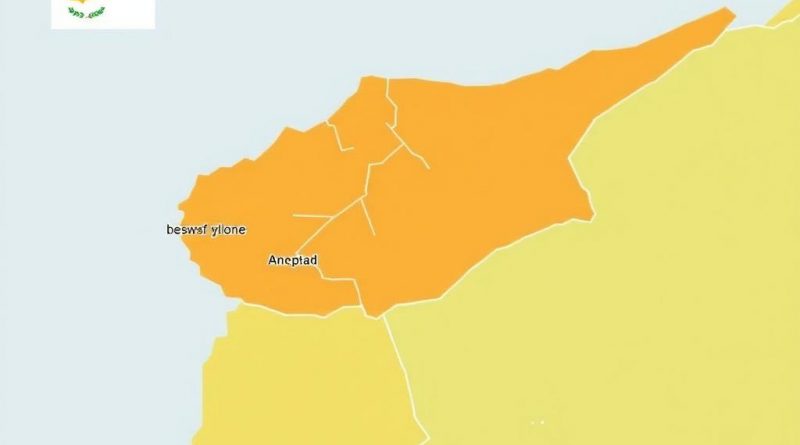
Zoning Amendments 2026: How They Affect Future Developments in Cyprus
The landscape of real estate development in Cyprus is on the cusp of a significant transformation. The upcoming zoning amendments Cyprus 2026 introduce a series of comprehensive changes aimed at aligning land use with modern urban needs, environmental priorities, and economic growth strategies. These revisions to the island’s planning law update are poised to influence everything from the density of construction projects to the types of permissible uses in various zones. Understanding these modifications is critical for developers, investors, policymakers, and communities alike to navigate the evolving legal framework effectively and maximize opportunities for sustainable development.
In this article, we will explore the depth and breadth of the zoning amendments, assess their impact on land use changes, and evaluate how they redefine development potential analysis across Cyprus. Additionally, we will consider the implications for property value impact and what stakeholders should anticipate during the transition period. By the end, readers will have a nuanced understanding of how these 2026 zoning amendments are shaping the real estate future of Cyprus.
The Context Behind Zoning Amendments Cyprus 2026
Zoning regulations are fundamental to managing how land is used in urban and rural areas, providing clarity on allowed uses and setting standards for building size, density, and design. The 2026 amendments in Cyprus arise from a need to update decades-old frameworks that no longer align with contemporary demands—ranging from urban sprawl pressures to environmental concerns and housing shortages.
Since the early 2000s, Cyprus has experienced rapid economic development, a growing population, and a surge in tourism and foreign investment. However, this growth created contradictions in the existing zoning system, which was often restrictive or inconsistent, leading to inefficient land use. The government’s decision to update the planning law reflects a strategic attempt to correct these inefficiencies and create a more resilient framework that balances development with environmental protection and public interest.
One major driver behind the zoning amendments is enhancing the capacity of local authorities to conduct accurate development potential analysis. This ensures that zoning boundaries and restrictions reflect a realistic assessment of land’s capacity to support various types of development, including residential, commercial, agricultural, and industrial uses.
Effective zoning reform in Cyprus is essential to harmonize urban growth with sustainable land practices and infrastructure needs.
Key Features of the Zoning Amendments Cyprus 2026
The 2026 zoning amendments introduce several pivotal changes that recalibrate land use designations, building regulations, and development incentive structures. These changes are expected to foster more strategic urban growth but also pose new challenges for developers and public planners alike.
At the core, the amendments focus on:
- Redesignating zones: Many areas, especially peri-urban and semi-rural regions, have been rezoned to either relax or tighten restrictions depending on sustainable development goals.
- Regulating building height and density: The amendments introduce tiered limits on construction height and density, tailored to locality-specific infrastructure and environmental capacity.
- Prioritizing mixed-use developments: There is an explicit push to encourage developments that combine residential, commercial, and recreational uses to create more vibrant communities.
- Enhancing green space protection: New buffer zones and environmental corridors are being incorporated to preserve natural landscapes and improve urban livability.
- Strengthening compliance and monitoring: More rigorous oversight mechanisms are introduced to enforce zoning rules with penalties for violations.
These provisions come alongside substantial updates in development potential analysis procedures, meaning that approval processes will increasingly rely on quantitative assessments of environmental impact, traffic patterns, and infrastructure capacity. As a result, development proposals will undergo more technical scrutiny than ever before.
Integrating environmental safeguards and diverse land uses is at the heart of Cyprus’s 2026 zoning amendments.
Land Use Changes: From Restrictions to Opportunities
One of the most visible outcomes of the zoning amendments Cyprus 2026 will be the shifting landscape of land use regulations. These changes have been carefully designed to address long-standing issues, primarily to combat uncontrolled urban sprawl, protect valuable agricultural lands, and revitalize underutilized urban centers.
Particularly noteworthy is the recalibration of agricultural zones. Previously, strict limitations largely preserved these lands from development, but this rigid approach hindered economic diversification and did not reflect technological advances in sustainable farming. The new zoning permits measured development in carefully controlled sectors within agricultural zones—like agrotourism, small-scale hospitality projects, and farm-based businesses—that can generate income without compromising productive land.
Residential zones also see revisions geared toward optimizing density while preserving quality of life. Certain low-density residential zones surrounding urban cores are being shifted toward medium-density designations to accommodate growing housing demand, especially in commuter belts around major cities such as Nicosia, Limassol, and Larnaca.
The amendments further affirm industrial zones while encouraging the relocation of outdated or polluting industries to more appropriate sites. This action reduces environmental impacts within residential proximity and supports economic clustering.
| Zone Type | Pre-2026 Restrictions | Post-2026 Changes | Implications |
|---|---|---|---|
| Agricultural | Strict no-development except farming | Permitted limited agrotourism and rural enterprises | Boost rural economies; preserve core agriculture |
| Residential Low Density | Max 1-2 floors; large lot sizes | Relaxed height/density in select areas | Increase housing stock; lessen urban sprawl |
| Commercial | Limited mixed-use approvals | Expanded mixed-use & retail options | Enhance urban vitality and local economies |
| Industrial | Scattered locations, environmental issues | Clustered locations, greener tech encouraged | Reduced pollution; modernized industry |
The land use changes balance both conservation needs and economic flexibility, making Cyprus’s urban and rural landscapes more adaptable for future challenges.
How Development Potential Analysis Has Evolved
The refinement in development potential analysis under the 2026 zoning amendments represents a technical leap forward in how land parcels are evaluated for their capacity to support growth. Previously, many approvals leaned heavily on qualitative evaluations and precedent, often resulting in inconsistent outcomes and sometimes overburdening local infrastructure.
Now, with mandatory use of GIS mapping, environmental impact modeling, and infrastructure capacity assessments, each plot or zone will be scrutinized through a multi-criteria approach. These tools provide objective measurements for:
- Carrying capacity for utilities and traffic
- Proximity to public services and amenities
- Environmental constraints such as soil stability and biodiversity
- Compatibility with adjacent land uses
- Potential climate resilience and sustainability of construction
This scientific approach means that developers must incorporate detailed feasibility studies and technical justifications into their applications. Local councils will be equipped with standardized data sets and decision-support systems to objectively assess proposals. This shift enhances transparency, reduces discretionary bias, and helps align development projects with the long-term vision for balanced growth.
The development potential analysis update also prioritizes minimizing infrastructure overloading—a critical issue in Cyprus where water supply, sewage, and transport systems face pressure from concentrated growth in urban centers.
With enhanced development potential analysis, Cyprus seeks to ensure every building is not a burden, but a benefit to its community and environment.
The Impact of Planning Law Update on Developers and Investors
The planning law update accompanying the zoning amendments introduces new procedures for applications, appeals, and enforcement. This has profound implications for developers and investors, who must navigate the altered regulatory environment with precision.
The approval process now demands more comprehensive documentation, including environmental assessments, community impact statements, and technical reports. While this additional workload may extend timelines initially, it encourages higher-quality projects aligned with broader policy goals. Developers able to adapt will find clearer regulatory pathways and fewer unpredictable outcomes in the long run.
Investors must also adjust their risk calculations. The property value impact of zoning changes means that some land parcels will either appreciate due to relaxed development constraints or depreciate where restrictions have tightened. For example, agricultural land with newly permitted alternative uses may see enhanced value, while areas with increased green space protections could experience constrained appreciation.
Market analysts are stressing the importance of conducting thorough due diligence that incorporates the zoning amendments Cyprus 2026 and the updated planning law. This includes evaluating shift zones, infrastructure investments, and local political dynamics.
Additionally, enforcement of zoning violations is escalating, with higher fines and swifter legal remedies to prevent unauthorized developments. This increased regulatory vigilance is designed to maintain development integrity and protect public interest.
Developers who embrace the updated planning law’s demands early will unlock new growth avenues and mitigate regulatory risks.
Property Value Impact: Winners and Losers in the New Framework
Property values in Cyprus are intricately linked to zoning regulations. The 2026 amendments create a dynamic shift in market fundamentals. Properties located in zones with relaxed controls or reclassified for mixed-use development will likely experience value appreciation, attracting both domestic and international investors.
Conversely, properties affected by new environmental buffers, height restrictions, or reduced allowable density may see value moderation or stagnation. This is especially notable in coastal areas, where ecological protections have been reinforced to preserve scenic qualities and biodiversity, limiting large-scale tourism developments.
An important secondary effect is the catalyzation of redevelopment opportunities in older urban districts identified for regeneration. The shift toward mixed-use and increased density fosters revitalization, making underutilized urban properties more attractive commercially and residentially.
Careful monitoring of market responses is necessary, as uneven application of zoning rules and varying local infrastructure quality can create pockets of divergent value trends, complicating investment decisions.
| Zone/Property Type | Expected Property Value Trend | Primary Driver |
|---|---|---|
| Mixed-Use Urban Zones | Increase | Higher density and commercial activity incentives |
| Protected Coastal Areas | Stable to moderate decrease | Environmental protections limiting development |
| Agricultural Land with New Uses | Increase | Permitted agrotourism and rural enterprise |
| Low-Density Residential Fringe | Varied | Localized zoning relaxations or restrictions |
The new zoning amendments reshape property value trajectories, rewarding adaptability and foresight among market participants.
Preparing for Implementation: What Stakeholders Need to Know
As the 2026 zoning amendments roll out, stakeholders across the board must prepare strategically. Government agencies will focus on updating zoning maps, training staff in the new development potential analysis techniques, and enhancing public communication about changes.
Developers and investors should prioritize early engagement with planning authorities, seek expert consultation on technical requirements, and incorporate sustainability principles into their project designs. Community groups and environmental organizations, meanwhile, have an opportunity to shape localized interpretations of the amendments by participating in consultative processes and ensuring public interest is maintained.
The transition period will require adaptive project management, including flexibility in timelines and budgets, as approval procedures become more detailed and competitive.
Technology will play a critical role in facilitating compliance and transparency, from digital planning platforms to real-time monitoring tools. Embracing these innovations can smooth the path forward.
Proactive preparation is the key to turning Cyprus’s zoning amendments into opportunities rather than obstacles.
A New Chapter in Cyprus’s Urban Development: Embracing Change Smartly
The zoning amendments Cyprus 2026 represent a watershed moment in the island’s approach to urban and rural development. By modernizing the planning law and introducing scientifically grounded development potential analysis, Cyprus is setting the stage for more balanced, resilient, and integrated growth.
The reform balances accommodating growth with preserving the island’s unique environmental and cultural heritage. This dual focus ensures that increased housing supply, commercial vibrancy, and rural economic diversification go hand in hand with green space protection, pollution control, and infrastructure sustainability.
For developers, investors, and communities, the amendments mean adapting to a new regulatory environment where success depends on technical rigor, environmental sensitivity, and strategic foresight. The property value impact caused by the zoning changes underscores the importance of fully understanding local implications and long-term trends.
Ultimately, Cyprus stands at a crossroads. The 2026 zoning amendments offer a clear pathway toward transforming scattered and sometimes conflicting land uses into a coherent, future-ready urban fabric. With careful stewardship, this new chapter will help Cyprus meet evolving needs while safeguarding its distinctive identity.
The 2026 zoning amendments rewrite Cyprus’s development narrative—shaping a future that integrates growth, sustainability, and community well-being.
Frequently Asked Questions
- What are the main objectives of the zoning amendments Cyprus 2026?
The main objectives are to modernize land use regulations, promote sustainable growth, enhance environmental protection, and improve the accuracy of development potential analysis. - How will the zoning amendments affect residential development in Cyprus?
The amendments allow for increased density and mixed-use developments in select areas, facilitating more housing options, especially near urban centers, while protecting quality of life. - What changes should developers expect in the planning application process?
Developers will face stricter requirements for environmental and feasibility assessments, longer but more transparent review processes, and stronger enforcement of zoning rules. - Will agricultural land values be impacted by the new zoning laws?
Yes, some agricultural lands gaining permission for agrotourism and rural enterprises may see value increases, while others remain protected to preserve farming uses. - How does the property value impact vary across different zones?
Areas with relaxed zoning and mixed-use incentives tend to appreciate, while zones with enhanced environmental protections might experience moderated growth or stability in values. - What tools are introduced for development potential analysis?
The amendments integrate GIS mapping, environmental impact assessments, infrastructure capacity studies, and sustainability evaluations as mandatory parts of applications. - How can local communities influence zoning amendment outcomes?
Communities can participate in consultation phases, provide feedback to local councils, and advocate for balanced implementation that respects both development and environmental considerations.