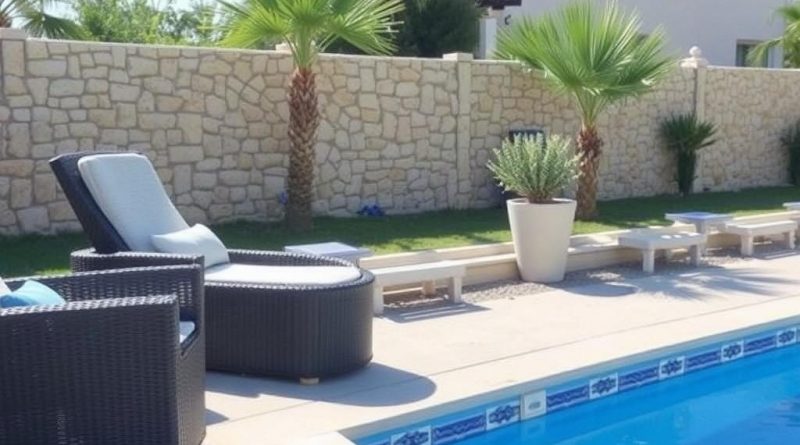
Villa Ownership in Cyprus: Pool Maintenance and Utility Expenses
Owning a villa in Cyprus is a compelling proposition for those seeking Mediterranean sun, relatively low property taxes, and a lifestyle that blends modern comforts with a relaxed pace. But beyond the postcard image lies a practical set of responsibilities: the financial and operational demands of property upkeep. This article lays out the technical, financial, and practical dimensions of villa ownership, focused specifically on pool maintenance and the operational burden of utilities and other recurring charges.
Before diving into recurring costs and management strategies, many buyers start by surveying available properties. If you are actively searching, consider looking at curated listings such as houses for sale in Cyprus to understand market options and price brackets. That initial reconnaissance informs expectations for Cyprus villa costs and gives context for the ongoing charges you will face after purchase.
Villa ownership requires upfront capital and a rigorous approach to recurring costs; preparation reduces surprises and preserves capital long term.
High-Level View: What Drives Cyprus Villa Costs
Cyprus villa costs are driven by a combination of acquisition prices, location-specific factors, construction quality, and the scale of amenities such as private pools, landscaped gardens, and integrated smart-home systems. The Mediterranean climate reduces some costs—less heating demand, for instance—but increases others: air conditioning during long summers, irrigation for pools and gardens, and occasional storm-related repairs.
Buyers must consider how amenities convert into running expenses. A large private pool or a heavily planted garden will increase both utility consumption and maintenance demands; a high-spec heating and cooling system reduces discomfort but raises capital and servicing costs. For investors, rental yield calculations must incorporate realistic ongoing expenses to avoid overstating net returns.
To plan accurately, segregate costs into categories: initial acquisition and setup, routine maintenance, periodic capital expenditures, and recurring utilities and administrative fees. This structure simplifies forecasting and helps isolate high-variance items that benefit most from active management.
Separating one-time capital expenses from recurring operational costs clarifies the real holding cost of a villa in Cyprus.
Acquisition and One-Time Setup Costs
The purchase price is only the beginning. One-time expenses at the point of acquisition typically include transfer taxes, legal fees, notary charges, land registry fees, and any immediate remedial work discovered during due diligence. These costs vary with the value of the property, regional regulation, and the complexity of the title or construction history.
Legal processes in Cyprus commonly require a local lawyer to perform title searches, verify building permits, and ensure compliance with local planning. Budgeting for these services is essential: competent legal support mitigates risk and can expedite closing, but it is not free.
Closing Costs and Initial Adjustments
After completion, many villas need immediate adjustments: commissioning heating or cooling systems, completing pool equipment installation, or remediation of wear discovered during inspections. Some buyers also commission energy-efficiency upgrades or smart-home installations to reduce long-term utility bills.
Initial landscaping, boundary repairs, and securing service contracts for pools and gardens are often overlooked. Establishing a baseline of condition with professional surveys prevents short-term surprises and supports more accurate budgeting for the first 12 months of ownership.
Expect to pay 2–6% of the purchase price in transaction-related fees plus a variable amount for immediate property commissioning.
Routine Villa Maintenance Cyprus: What Keeps a Villa Functional
Ongoing villa maintenance Cyprus encompasses daily, weekly, and monthly tasks that preserve the property’s condition and prevent small issues from becoming costly repairs. Typical activities include roof and gutter checks, façade inspections for damp or salt damage in coastal zones, HVAC servicing, pest control, and regular electrical and plumbing checks.
Maintenance frequency varies by component. For example, HVAC systems typically require professional servicing twice a year, while gutters benefit from seasonal cleaning. Coastal properties demand more frequent inspections because salt spray accelerates corrosion and degrades seals around windows and doors.
| Maintenance Area | Typical Frequency | Estimated Annual Cost Range (EUR) |
|---|---|---|
| General upkeep (handyman labor) | Monthly/As needed | 800–3,000 |
| HVAC servicing | Biannually | 200–800 |
| Pest control | Quarterly/As needed | 100–400 |
| Garden and irrigation | Weekly | 1,200–5,000 |
| Pool operation (excluding repairs) | Weekly | 900–4,000 |
The table above provides baseline ranges intended for planning. Individual villas can sit outside these ranges depending on size, age, whether garden services are hired or do-it-yourself, and the complexity of mechanical systems. Owners who are absentee or who rent their villas regularly typically pay the higher end of each range due to the need for professional services and more frequent inspections.
Consistent, preventive maintenance reduces lifecycle costs and preserves property value more effectively than intermittent repairs.
Routine Versus Periodic Maintenance
Distinguishing between routine and periodic tasks clarifies budgeting. Routine tasks (cleaning, weekly pool checks, lawn mowing) are operational overhead. Periodic tasks (roof replacement, pool retiling, major HVAC replacement) are capital expenditures that should be amortised over expected service life.
When preparing cashflow models, assign routine costs to annual operating budgets and amortise capital costs over the component’s useful life. This approach yields a more realistic figure for house ownership expenses Cyprus and helps avoid liquidity shortfalls when major replacements arise.
Pool Maintenance Costs Cyprus: Technical Details and Practical Expectations
Private pools are central to villa appeal but are also among the most consistent sources of expense. Pool maintenance costs Cyprus are influenced by pool size, surface material, filtration and heating systems, frequency of use, and whether the owner uses chemical or salt-based sanitation. Pools in coastal villas also face higher maintenance bills because saline air accelerates metal corrosion and can clog filters faster.
Understanding the components of a pool’s maintenance budget helps owners make targeted decisions. Key elements include chemical consumables (chlorine, pH adjusters), filtration system servicing, pump and motor maintenance, winterisation or off-season preparation (if applicable), and periodic surface and tile repairs. Add-ons like pool covers, heating, or automation systems change both capital and operating costs.
Pool ownership is predictable when you account for consumables, mechanical servicing, and periodic capital renewals; neglect increases long-term costs disproportionately.
Operational measures to manage pool expenses include optimising filtration cycles, investing in energy-efficient pumps, and using pool covers to reduce evaporation and chemical consumption. Automated monitoring systems can alert owners to leaks or chemical imbalances early, shrinking repair costs and preserving water quality.
Typical Cost Breakdown for a Medium-Sized Pool
The following list identifies the recurring cost components for a medium-sized residential pool and typical intervals for attention:
- Chemicals and test kits: weekly to monthly purchase, ongoing consumption.
- Pump and filter checks: monthly visual checks, annual professional service.
- Backwashing and filter media replacement: periodic based on filter type (typically 2–7 years).
- Surface maintenance (tiling and grouting): 5–15 year intervals depending on materials and use.
- Heating (if present): continuous electricity or gas consumption during use; seasonal service for boilers/heat pumps.
Costs for chemical treatment alone for a medium pool typically run from a few hundred to over a thousand euros annually depending on usage and sanitation method. Pump and filter servicing and occasional parts replacement add several hundred euros. If heating is employed, expect a significant increment to utility bills during the months of use.
Utility Bills Cyprus Villa: Electricity, Water, Internet, and Waste
Utility bills Cyprus villa owners face fall into several buckets: electricity, water, sewage or waste management, telecommunications (internet and TV), and municipal or community service charges. Each category has drivers that can be quantified and managed with equipment or behavioural changes.
Electricity is typically the largest variable. Factors include air conditioning load in long, hot summers, pool pump operation, electric heating if present, and any electric vehicle charging. Water usage spikes from irrigation and pool top-ups and varies with garden size and climate. In many Cypriot municipalities, water tariffs have stair-step structures that increase the marginal cost as consumption rises, so large irrigation schedules can push owners into higher bands.
Optimising utilities—especially electricity and water—has an immediate impact on net returns for landlords and reduces the annual burden for private owners.
Telecommunications in Cyprus are competitive in many regions, and fiber availability is increasing. Internet and TV are relatively predictable monthly subscriptions but matter to renters and long-stay guests. Waste collection and drainage fees are generally municipal and predictable; research local rates before acquisition, as small knots in service standards lead to extra private expenditures for septic servicing or waste transfer.
Practical Measures to Control Utility Bills
Controlling utility bills requires both behavioural and technical interventions. Behavioral changes include scheduling pool filtration to off-peak electricity periods and reducing air-conditioning setpoints slightly while using fans. Technological interventions are more durable: installing inverter-based air conditioners and DC pumps, adding smart thermostats, upgrading to LED lighting, and fitting efficient irrigation controllers. Metering and monitoring reveal waste areas; without data, optimization is guesswork.
- Install variable-speed pool pumps and assign longer but lower-flow filtration cycles to reduce electricity consumption.
- Use drip irrigation and soil moisture sensors for gardens to cut water use and avoid overwatering.
- Employ smart thermostats and zoning for HVAC systems to reduce cooling of unoccupied rooms.
- Seal building envelope points exposed to summer heat to reduce ingress and reduce cooling loads.
House Ownership Expenses Cyprus: Insurance, Property Taxes, and Community Fees
Beyond utilities and maintenance lies a layer of obligatory and semi-obligatory charges that are part of house ownership expenses Cyprus. These include building and contents insurance, municipal property taxes, and community or strata fees where relevant. Insurance premiums reflect property value, proximity to the coast, and the declared use—holiday rental properties often attract higher premiums.
Municipal rates in Cyprus are set locally and can differ across districts. Owners will also encounter occasionally levied property tax reconciliations for previous periods depending on legislative changes. For villas in community developments, homeowners’ association fees cover communal maintenance, security, landscaping, and shared utilities—fees which need to be factored into both ownership budgets and investment yield calculations.
Insurance and community fees are predictable but essential components of total cost of ownership and must be included in any financial model.
When purchasing, request historical HOA accounts and recent insurance premium trends. These records reveal deferred maintenance liabilities and premium volatility. For coastal or hillside properties, confirm the scope of cover for storm damage and consider additional cover for flood events or landslides where applicable.
Service Providers, Contracts, and Managing Operational Risk
Effective management of villa ownership requires selecting reliable service providers for cleaning, gardening, pool care, and technical maintenance. Contracts should be explicit about response times, liabilities, and escalation paths. For absentee owners, retain management companies with 24/7 capabilities and local vendor networks to respond rapidly to issues that could become expensive if delayed.
Negotiating multi-year service agreements often yields better unit pricing and priority scheduling but can lock owners into suboptimal terms if service quality declines. Balance contract length with performance clauses and periodic review points. Keep records of interventions and maintenance to support warranty claims and to inform replacement cycles more accurately.
Vendor selection and contract design are control levers that materially affect both costs and service quality; robust contracts limit exposure.
Insurance companies sometimes require certified contractors for certain works; using approved providers reduces claim friction. For major services—HVAC, roofing, pool renovations—insist on written estimates, scope-of-work documentation, and post-completion checks to ensure compliance with specifications.
Seasonal and Climate Factors Affecting Costs
Seasonality influences both usage patterns and maintenance cycles. Peak electricity demand occurs during the summer months when air conditioning and pool pumps run extensively. Conversely, winter storms can reveal roof leaks and accelerate wear on external paint and woodwork. Owners must plan for seasonal surges in both energy and maintenance budgets.
Climate-driven issues such as saline corrosion in coastal zones, UV degradation of pool liners, and dust accumulation in rural inland areas change maintenance priorities. Preventive measures—such as anti-corrosion coatings on exposed metals or more frequent replacement schedules for vulnerable components—are cost-effective in the long run when tailored to the microclimate of the property.
Calendared seasonal maintenance prevents emergency repairs and spreads costs over predictable intervals.
For owners renting villas, seasonality also affects revenue streams and thus the capacity to absorb peak maintenance months. Align maintenance planning with rental calendars to avoid service conflicts that could reduce guest satisfaction or lead to lost bookings.
Capital Planning: Replacements, Upgrades, and Depreciation
Major systems—roofs, HVAC units, pool liners, and structural elements—wear on distinct schedules. Establish a capital replacement plan that assigns expected remaining life and replacement costs. This plan should be updated annually with actual maintenance records to refine remaining life estimates and to budget for major outlays without eroding liquidity.
Owners who prioritise energy efficiency may invest in upgrades—solar water heaters, photovoltaic panels, heat-pump water heaters, and high-efficiency HVAC equipment—that reduce utility bills but require upfront capital. Use a simple payback or discounted cashflow model to evaluate such upgrades, taking into account local electricity tariffs, feed-in tariffs (if applicable), and maintenance differentials.
Capital planning turns uncertain future liabilities into scheduled items and allows owners to allocate reserves sensibly.
Practical Budgeting Example: A Five-Year Cashflow Model
To illustrate the interaction of recurring costs and occasional capital expenses, consider a hypothetical medium-sized villa near the coast. This model assumes a private pool, landscaped garden, and moderate rental frequency when not occupied by the owner. The aim here is to show the structure of the cashflow rather than provide a unique forecast.
Yearly operating categories: routine maintenance, pool operation, utilities, insurance and HOA, and a sinking fund for capital replacements. In years where a major item (e.g., pool pump replacement or roof patching) is needed, allocate from the sinking fund or treat as a scheduled capital expense. This approach limits the risk of unplanned draws on liquid reserves and keeps the property in steady condition.
Use a sinking fund approach to smooth capital expenditures and to prevent disruptive, large one-off expenses from unbalancing cashflow.
Legal, Regulatory, and Tax Considerations for Owners
Legal and tax obligations vary by usage and residence status. Owners who intend to rent must register with local authorities, ensure compliance with safety and occupancy rules, and consider the tax implications of short-term versus long-term rentals. Non-resident owners should understand local tax treaties, withholding obligations, and the need for local tax representation in some cases.
Planning for property tax liabilities and understanding the municipal rules for waste disposal, holiday rental licences, and building alteration permissions prevents fines and mitigates risk. Where structural changes are planned—extensions, additional pools, permanent outdoor kitchens—obtain permits in advance and check zoning limits, as retrospective legalization can be expensive or impossible.
Complying with local regulations avoids legal risk and preserves resale value; due diligence saves money and time.
Practical Scenarios: Owner-Occupied Versus Rented Villas
Owner-occupied villas emphasize comfort and durability: owners may invest more heavily in aesthetic finishes and personalised upgrades while accepting higher ongoing costs to maintain a specific lifestyle. Rented villas pivot toward cost-effectiveness and durability: finishes and systems are selected for resilience and ease of maintenance to minimise downtime and turnover costs.
From a financial perspective, rental income offsets operating costs but introduces higher wear rates and requires stricter turnaround processes between guests. Owners who combine personal use and rentals need clear scheduling strategies and robust service contracts to ensure the property is guest-ready without compromising the personal living standard when occupied by the owner.
Deciding between owner-occupied and rental use materially alters maintenance priorities, vendor selection, and service levels.
Vendor Selection Checklist and Contract Essentials
A vendor selection checklist ensures consistent service quality. Key items include: proof of licenses, references from similar projects, insurance certificates, response-time guarantees, and clear escalation procedures. Contracts should explicitly define deliverables, schedules, and payment mechanics, and include termination clauses tied to performance metrics. For technical services, include a scope-of-work annex and require post-service documentation.
Use fixed-price schedules for routine tasks where possible and time-and-materials for irregular, undefined work. Retain written maintenance logs and photographic records, which are invaluable for warranty claims and to support insurance submissions in case of damage.
Well-drafted contracts secure predictable service levels and shield owners from open-ended liabilities.
Technology and Smart Systems: Reducing Operating Costs
Smart systems can materially reduce utility bills and maintenance time if deployed thoughtfully. Remote monitoring of pool chemistry, water leaks, and HVAC performance allows early intervention. Automation reduces human error: programmable irrigation and lighting systems prevent overuse, while smart thermostats adapt cooling load to occupancy patterns.
Install sensors with notification thresholds rather than purely passive monitoring to benefit from real-time interventions. This reduces the risk of catastrophic failures (such as pump burnout due to running dry) and reduces the frequency of unnecessary site visits, lowering vendor labor costs, particularly for absentee owners.
Investing in selective automation yields quick returns through energy savings and reduced emergency interventions.
Financing and Insurance Strategies to Mitigate Financial Risk
Owners should consider reserve requirements, financing structures that leave liquidity for maintenance, and insurance coverage that matches known risks. For properties with rental activity, include business interruption coverages and consider refundable deposits managed through transparent processes to defer minor damage costs to guests.
When taking a mortgage, align repayment schedules with rental cashflows if rental income is expected to service the loan. Lenders may also require evidence of ongoing maintenance or reserves to assess mortgage covenants. Maintain an emergency fund equivalent to 3–6 months of operating costs plus a sinking fund sized to cover major replacements over a five- to ten-year horizon.
Prudent financial structures combine insured protection, reserve funds, and conservative borrowing to reduce exposure to shocks.
Decision Framework: Should You Buy a Villa in Cyprus?
Buying a villa in Cyprus requires weighing lifestyle preferences against the financial commitment of maintenance, utilities, and other ownership charges. For lifestyle buyers, the decision is often emotional but should be tempered by clear budgeting and an understanding of local service markets. For investors, rigorous yield and sensitivity analysis against Cyprus villa costs and house ownership expenses Cyprus is essential.
Key decision criteria include expected occupancy rates, proximity to demand drivers (beaches, tourist centres, transport), the condition and age of mechanical systems, and the health of local service markets. The best prospects are properties with demonstrable maintenance histories, efficient systems, and a reasonable capital replacement timeline.
Make acquisition decisions informed by operating cost forecasts, not just purchase price.
Owning With Confidence: Practical Next Steps and Final Considerations
Take a three-stage approach: evaluate, plan, and manage. Evaluate the market and specific property condition using professional surveys and market comparables. Plan by preparing operating budgets, establishing contracts with vetted local vendors, and setting up a sinking fund for capital replacements. Manage by tracking actual expenditures, enforcing contracts, and periodically reviewing the property’s condition and upgrade opportunities.
For those considering a purchase, revisit operational assumptions annually and adjust budgets to reflect experience. For existing owners, compile a rolling three-year maintenance plan and a five- to ten-year capital plan to stabilize cashflow and protect equity. Engage local advisors who understand municipal rules and service provider landscapes to reduce friction in operational execution.
Finally, remember that the quality of vendor relationships and the accuracy of maintenance records are among the most valuable assets an owner can cultivate. They reduce friction when selling, support warranty claims, and make it easier to maintain a consistent standard whether the villa is owner-occupied or in rental rotation.
Systematic planning and disciplined management turn villa ownership from a liability into a sustainable asset.
Frequently Asked Questions
- How much should I budget annually for maintenance of a medium-sized villa in Cyprus?
Plan for 1.5% to 3% of the property value per year for routine maintenance and minor repairs, plus a sinking fund for major replacements; actual figures vary with property age and amenity level.
- What are typical pool maintenance costs Cyprus owners can expect?
Expect annual pool operation costs (chemicals, basic servicing, electricity for pumps) of roughly EUR 900–4,000 for a medium pool, with additional periodic capital costs for filter or pump replacement.
- How can I reduce utility bills in a Cyprus villa without sacrificing comfort?
Install energy-efficient HVAC and variable-speed pool pumps, use smart thermostats and irrigation controllers, and schedule high-energy tasks for off-peak hours to lower electricity and water bills.
- Are municipal and community fees a significant part of house ownership expenses Cyprus?
They can be material; municipal taxes and HOA fees are predictable but should be verified against historical records to detect deferred maintenance or unexpected hikes.
- Do I need special insurance for a villa with a pool in Cyprus?
Yes. Ensure your policy covers pool-related liability, storm damage, and, for coastal properties, salt-induced corrosion; premiums reflect location and whether the property is rented.
- What is the best way to manage a villa remotely?
Engage a reputable local property manager with 24/7 capability, implement remote monitoring systems, and maintain multi-year vendor contracts with clear service levels.
- How should I plan for long-term capital replacements?
Create a capital replacement schedule, allocate a sinking fund annually, and update remaining life estimates using actual maintenance records to smooth cashflow impact.