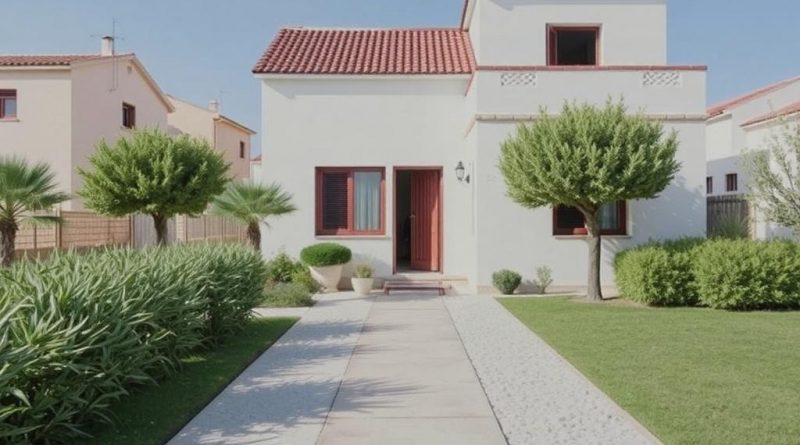
Property Viewing Checklist: Red Flags to Avoid in Cyprus
Visiting a property in Cyprus can feel like stepping into a life you imagine for yourself: Mediterranean light, coastal breezes, and an architecture that blends tradition with modern living. But beneath that charm can lie legal, structural, or financial pitfalls that only a methodical Cyprus property viewing will reveal. This article lays out a comprehensive, practical approach to avoid costly mistakes and ensure a secure purchase.
Before we begin, if you plan to focus your search in Limassol or want a quick look at listings while you prepare, consider looking at property for sale in Limassol Cyprus to get a sense of market pricing, locations, and the paperwork typically shown on active advertisements.
Why a Structured Cyprus Property Viewing Matters
The value of a well-planned Cyprus property viewing goes beyond checking off cosmetic boxes. A purposeful viewing exposes discrepancies between the advertised condition and reality, clarifies legal standing, and frames negotiation with factual leverage. In a market that combines island-specific regulations with varying construction standards, an unstructured visit invites risk.
A structured approach integrates three streams of assessment: legal due diligence, technical inspection, and contextual evaluation of neighbourhood and services. Each stream yields specific questions and check-points — together they create a defensible basis for moving forward or walking away.
Structured viewings convert impressions into verifiable facts; without them, buyers trade certainty for hope.
For anyone serious about purchasing on the island, integrating a Cyprus property checklist into each visit is not optional; it is the guardrail between an informed investment and an avoidable loss.
Legal and Documentation Red Flags Cyprus Buyers Must Watch
Legal anomalies are among the costliest surprises. Cyprus has specific planning, title, and municipal processes; problems here can immobilise a sale, invalidate ownership, or saddle the buyer with liabilities. During a viewing, legal indicators often show in absence or evasiveness around documentation rather than in technical features.
Ask to see all available documents during or immediately after the visit: title deeds, planning permits, building completion certificates, energy performance certificates, and details of any outstanding charges or encumbrances. A seller who resists producing paperwork, or provides copies that look altered or incomplete, creates a substantial red flag.
Incomplete or unclear title documentation is a signal to pause — never assume legal details will be sorted post-purchase.
Specific issues to scrutinise include missing title deeds, properties sold at auction without clear transfer records, and alterations or extensions built without planning approval. If the property is part of a development, request the homeowners association (or management company) documents and current accounts to spot pending levies or unresolved disputes.
Title Deed Problems and How They Present
Title deeds in Cyprus historically followed a two-track system: older properties might have incomplete registry entries or be pending finalisation in the Land Registry. This can manifest as sellers stating that deeds are “in process.” While not automatically catastrophic, “in process” must be quantified: how long, what stage, and why. A seller’s vague timeline or reluctance to involve legal counsel should be treated cautiously.
Also look for properties with multiple names on the deed, unresolved inheritance claims, or mortgages that have not been discharged. Each of these circumstances requires investigation and an appropriate legal solution before contracts are signed.
Structural and Building Condition: Practical Property Inspection Cyprus Steps
Structural defects are often hidden until after purchase, but they can be identified through targeted observation during a viewing. Property inspection Cyprus is both visual and investigative — it starts with what you can see and extends to questions that prompt documentary or professional follow-up.
Begin with the building envelope: roof, external walls, and foundations where visible. Check for cracks, bulging, or signs of differential settlement. On the inside, examine floors for damp patches, unevenness, and joints that have been recently repaired. The quality of workmanship, materials used, and signs of patchwork repairs all tell a story about maintenance and potential systemic issues.
Visible patch repairs often cover deeper defects; treat them as cues to commission a detailed structural survey.
Plumbing and electrics need a methodical check — water pressure, drainage, pipe materials, and circuit breakers should be inspected. Ask whether central heating, air conditioning, and water heaters have service records. If windows and doors are not properly sealed or align badly, they indicate movement, poor installation, or ageing materials that will cost to replace.
When to Insist on a Specialist Survey
If any of the following are present, arrange a specialist survey before progressing: significant wall cracks, persistent damp smells, roofing repairs visible from outside, or if the property is in an area known for soil or seismic issues. A structural engineer or qualified surveyor can provide an expert evaluation and an estimate of rectification costs, which is critical information during price negotiations.
Specialist surveys are particularly important for older stone or traditional houses common in rural Cyprus, where workmanship and original materials require careful assessment to preserve both structural integrity and cultural value.
Services, Utilities, and Hidden Operating Costs
Understanding ongoing running costs is essential for a realistic assessment of affordability and suitability. Utility issues frequently surface during a Cyprus property viewing and often affect occupancy decisions. A property with charming aesthetics can become financially burdensome if water supply is intermittent, electrical capacity is inadequate, or access to broadband is poor.
Check available service connections: is the property on the municipal water and sewage network, or does it rely on boreholes and septic tanks? If boreholes or tanks are present, ask for evidence of maintenance and water quality tests. Also verify whether the electrical supply is stable and whether the property has adequate metering and load capacity for modern appliances.
Operational costs and service reliability shape long-term satisfaction more than initial purchase price.
In rural locations, factor in waste collection schedules, road maintenance responsibilities, and seasonal access. Properties located in secluded areas might have lower purchase prices but incur higher running costs and maintenance obligations that are not immediately obvious during a short viewing.
Neighborhood Context and Location Factors
Location is more than proximity to the sea or city centre; it encompasses noise, development trajectory, zoning plans, and community stability. During a Cyprus property viewing, evaluate the surrounding area at different times of day when possible — morning traffic, daytime noise, and evening activity each reveal distinct patterns.
Ask about upcoming developments: planned roads, commercial projects, or municipal zoning changes. A neighbourhood on the cusp of high-rise tourism development may promise future value but also carries the risk of diminished local character and increased traffic. Conversely, an area with restrictive zoning or heritage designations may preserve charm but limit future modifications.
Context determines sustainability; a property that fits your life today may not fit the same way in five years if the neighbourhood changes.
Consider practical local infrastructure: proximity to healthcare, schools, supermarkets, and public transport. If you value quiet, test the property for noise intrusion; if walkability matters, measure actual walking times rather than projected distances. These observations feed directly into both personal suitability and resale prospects.
Financial and Transactional Red Flags Cyprus Buyers Encounter
Financial issues extend beyond sale price: stamp duties, transfer fees, ongoing community fees, and unexpected back taxes can convert an attractive listing into a poor investment. During a viewing, sellers often downplay these costs or fail to disclose them entirely. A thorough approach requires clarifying all costs before making any deposit or contractual commitment.
Watch for rapid sale pressure tactics: demands for immediate deposits to “secure” the property, or claims of multiple offers intended to rush decision-making. While not illegal in themselves, such tactics should trigger a call for patience and due diligence rather than impulsive signing.
Do not commit funds until you have verified legal standing and total acquisition costs; urgency from the seller is not a substitute for clarity.
Also be alert to atypical payment structures or requests to transact outside regulated banking channels. Legitimate transactions in Cyprus proceed through recognised banking systems and use standard conveyancing practices handled by licensed lawyers and notaries. Any deviation from these norms is a strong reason to halt negotiations and consult legal counsel.
Practical Cyprus Property Checklist: On-the-Spot Tasks for Viewings
When you are at the property, time is limited and impressions can be misleading. The Cyprus property checklist below condenses essential checks into a practical sequence to follow during every viewing. These tasks are designed to detect immediate red flags and determine whether specialist follow-up is needed.
Work through the checklist systematically; do not rely solely on the agent’s narration. Use your phone to photograph key items and write notes immediately after the visit while details remain fresh. This protocol creates a durable record to compare between multiple properties.
A disciplined in-person checklist turns curiosity into actionable evaluation and supports defensible purchase decisions.
| Area | What to Look For | Red Flag | Action |
|---|---|---|---|
| Documentation | Title deed status, planning permits, certificates | Missing or vague deeds, unapproved extensions | Request copies; consult solicitor before deposit |
| Structure | Cracks, damp, roof condition | Large settlement cracks, persistent damp | Commission structural survey |
| Services | Water supply, sewage, electrics | Borehole-only supply, outdated wiring | Obtain service records; estimate upgrade costs |
| Neighbors/Noise | Adjacent activities, traffic at different times | Night noise, future development signs | Survey at different times; check zoning plans |
The table above is a concise tool, not a substitute for depth. Use it as a quick reference during viewings and expand individual items into larger investigations when signals appear.
Inspection Tools and Techniques for a Thorough Property Inspection Cyprus
Performing an effective property inspection requires a combination of simple tools and the right questions. A flashlight, screwdriver, moisture meter app or device, and a camera are minimal yet powerful items to carry on each visit. These enable basic diagnostics and yield tangible evidence for later consultation with professionals.
Start with sensory observations: listen for running water, smell for dampness, and touch surfaces for temperature differences that signal insulation issues. Use a flashlight to inspect roof voids and junctions. When possible, ask the seller or agent to operate electric appliances, open utility cupboards, and demonstrate drainage to reveal performance in real time.
Small tools and attentive senses reveal issues that photos and glossy listings conceal.
When a property shows any mechanical complexity — heat pumps, solar arrays, complex irrigation — request demonstration of system operation and maintenance logs. If these are unavailable, factor replacement or commissioning costs into your offer.
Energy, Sustainability, and Future-Proofing
Energy performance matters in lifecycle cost and marketability. A property with poor insulation or an inefficient heating and cooling system will impose higher bills and may deter future buyers. During viewings, look for double-glazed windows, insulation in accessible areas, and any renewable installations like solar panels or heat pumps.
Ask for recent energy performance certificates and utility bills for the preceding 12 months to understand consumption patterns. If the property lacks modern systems, estimate the investment needed to reach current standards — an important negotiation lever and planning consideration.
Energy upgrades can be the most cost-effective way to enhance long-term value and living comfort.
Consider future-proofing with provisions for EV charging, fibre-optic broadband access, and adaptability to changing climatic conditions. These features are increasingly important to buyers and tenants and can distinguish otherwise similar properties in the Cyprus market.
Negotiation Strategy and Buying Tips Cyprus-Focused
Negotiation on Cypriot property involves combining factual deficiencies discovered during the viewing with market context. The goal is not merely to lower price but to restructure the deal to cover risk and ensure a clear transfer. Effective strategies rest on documentation, timed contingencies, and the right counsel.
Start offers that reflect necessary remedial work discovered during the inspection, allow conditional deposits pending completion of title checks, and include clauses requiring resolution of outstanding permits. When appropriate, propose escrow arrangements overseen by your lawyer to protect funds until conditions are met. These mechanisms are more protective than simple price discounting.
Leverage documented defects and legal gaps to shape conditional offers that reduce exposure, not just the headline price.
Engage a licensed property lawyer early — their review of contracts and documentation is a decisive factor in protecting your investment. A lawyer versed in Cypriot conveyancing will identify obligations and potential liabilities hidden in local practice and propose contractual remedies such as warranties, completion conditions, and staged payments.
Staging a Follow-Up: When to Walk Away and When to Commit
Deciding whether to continue negotiations or walk away is one of the hardest outcomes of a viewing. The choice should be guided by a ratio of rectification cost, legal exposure, and strategic fit. If the cost and time required to make the property compliant or habitable exceed a threshold that undermines your financial or personal objectives, walking away is a rational decision.
Commit when the deal can be made robust through standard legal protections, when technical defects are manageable within budget, and when neighbourhood and service factors align with your long-term plans. Use the documented Cyprus property checklist and specialist reports to justify your decision and to structure final terms.
Walking away is often the most disciplined decision when legal clarity or structural integrity cannot be secured within acceptable risk parameters.
When committing, require a formal completion timeline, clear responsibility for outstanding works, and retention of part of the purchase price or escrowed funds until all conditions are met. These safeguards protect you from post-sale surprises and align seller incentives with delivery.
Managing Remote Viewings and Third-Party Inspections
Many buyers begin the Cyprus property viewing process remotely. Remote inspections and video tours are useful, but they carry additional risk. When relying on virtual tools, insist on live, high-definition walkthroughs where you direct the camera, request close-ups of key areas, and ask the local agent or owner to demonstrate operation of utilities and appliances.
For remote purchases, commissioning a local professional to perform a property inspection Cyprus equivalent is essential. Local inspectors can access documentation, verify service connections, and test systems. Ensure the inspector provides a written report with photographs and costed recommendations for repairs or upgrades.
Remote assessments multiply the need for verifiable documentation and independent local expertise.
When sending a representative, select a professionally credentialed buyer’s agent or surveyor with proven experience in Cyprus-specific issues such as Land Registry peculiarities and local contractor pricing. Their report becomes a primary negotiating instrument and comfort documentation for lenders and legal counsel.
Preserving Value: Renovation, Adaptation, and Compliance
Buying a property often includes planned renovations. In Cyprus, renovations are tightly linked to planning and compliance requirements. Before committing to a purchase for renovation, verify what changes are permitted under local zoning and whether original architectural features are protected.
Factor the cost and timing of obtaining permits, hiring registered contractors, and ensuring work is inspected and certified. Properties with unapproved extensions may require adjustments or even demolition; such projects can dramatically increase time and cost to achieve envisioned results.
Renovation potential is valuable only when it is legally and financially achievable within realistic timelines.
For adaptation projects aimed at increasing rental yield or converting use (for example, adding short-term rental capability), check municipal restrictions and tax implications. Compliance with short-term rental rules, building safety, and waste management is increasingly enforced on the island, and non-compliance can lead to fines and forced closure.
Final Steps Before Exchange: Checklist for Legal and Practical Closure
Before exchange, complete a final round of checks to confirm no new issues have emerged since the viewing. Confirm availability and status of all documentation, secure written guarantees or warranties from sellers for remedial works agreed upon, and ensure financial arrangements, including transfer taxes and mortgage conditions, are clear and reconciled with your lawyer.
Arrange a final inspection on the day of or shortly before completion to verify that the property is in the agreed condition and that any fixtures and fittings included in the contract remain in place. Prepare a signed minute of handover or inventory to avoid disputes post-completion.
Final confirmation and documented handover eliminate ambiguity and enforceability gaps at the point of transfer.
Also ensure utilities are ready to be transferred to your name and that you have access to keys, alarm codes, and service manuals. This operational readiness reduces the administrative friction of moving in or commencing work immediately after purchase.
Practical Example: Applying the Cyprus Property Checklist to a Seaside Villa
Imagine a coastal villa with exceptional views: solar exposure is perfect and the property feels immediately appealing. Using the Cyprus property checklist, you note several observations during the viewing: small hairline cracks in the living room walls, a history of damp in the lower ground floor, and an electricity meter that appears dated without clear records. Neighbours mention a proposed hotel development two blocks away.
From these unique observations, a targeted plan emerges: commission a structural survey to evaluate crack severity, request moisture readings and a history of basement remediation, and ask the seller for energy bills and documentation of electrical upgrades. Simultaneously, consult municipal zoning plans to evaluate the potential hotel’s timeline and impact. Each of these steps is specific to this property and avoids the repetition of generic advice.
Applying the checklist translates subjective appeal into objective inquiry — the difference between desire and due diligence.
Negotiation follows: you offer a conditional price reflecting the potential remediation cost and ask for an escrow holdback to fund necessary repairs, alongside a warranty from the seller for remediation work to be completed under local certified contractors before completion.
Preparing for Ownership: Long-Term Maintenance and Documentation Management
Ownership begins at completion, but long-term stewardship starts with documentation management and planned maintenance. Keep an organised folder of all purchase documents, warranties, service contracts, and surveys. Create a maintenance calendar for periodic tasks such as roof inspections, servicing of HVAC and solar systems, and checks on drainage and insulation.
Budget for cyclical costs and set aside a reserve for unexpected structural or legal issues. For properties within managed developments, ensure you understand contribution schedules, reserve fund levels, and management company responsibilities to avoid surprises from rising communal fees or unplanned special assessments.
Maintenance and transparent records preserve value; a disorganised approach accelerates depreciation and liability.
Establish relationships with local, reputable contractors and maintain service histories to support future sales or claims. A living document of maintenance can materially increase resale value and buyer confidence.
Parting Advice: Practical Buying Tips Cyprus Investors and Homebuyers Use
Buying on the island demands discipline and local expertise. Among the many buying tips Cyprus buyers benefit from, the most impactful include engaging local legal counsel early, documenting everything, resisting pressure to skip inspections, and budgeting for both visible upgrades and hidden costs. Each tip is tactical: a lawyer saves you from structural surprises becoming legal entanglements, and early inspection prevents emotional overcommitment.
Make decisions at the intersection of personal objectives and objective data — not based on sales narratives or short-term market sentiment. With the market’s variability across coastal and inland regions, a property’s intrinsic suitability to your needs often matters more than speculative capital gains.
Informed patience outperforms impulsive buying; good deals reward the careful buyer, not the hurried one.
Finally, document your entire process. A chronological record of viewings, questions raised, responses received, inspections commissioned, and lawyer communications will provide clarity during closing and serve as an essential reference if disputes arise after purchase.
Moving Forward: Make Your Cyprus Property Viewing Work for You
Every viewing should leave you with a clear list of next steps: documents to obtain, professionals to instruct, and costs to estimate. Use the Cyprus property checklist as the backbone of this process, adapting it to each property type and location. Whether your purchase is for primary residence, holiday use, or investment, the same disciplined approach reduces uncertainty and enhances control.
Remember that the island’s beauty and complexity create both opportunity and risk. Approach each viewing as a structured investigation: observe, question, document, and verify. That sequence transforms a beautiful property into a secure one.
When you follow a methodical process, you not only protect your capital but also increase the chance that the property you buy genuinely delivers on the lifestyle and returns you expect.
Ready-to-Use Cyprus Property Checklist (Printable Summary)
Below is a concise checklist you can use on the day of a viewing. Keep it on your phone or print it and take notes. This summary distils the full guidance into immediate action items you can tick off during the visit.
- Obtain copies of title deeds, planning permits, and certificates.
- Inspect structure: walls, roof, floors, visible foundations.
- Test utilities: water pressure, drainage, electrics, internet availability.
- Look for signs of damp, mould, or pest evidence.
- Assess neighbourhood noise, access, services, and future developments.
- Verify energy systems and request utility bills for last 12 months.
- Photograph key issues and create immediate notes for legal review.
- Ask seller for recent maintenance and contractor invoices where available.
Use this printed list as your on-site guide and expand items into formal inspections where necessary. Keeping the list focused prevents oversight under time pressure.
A Few Closing Practicalities Before You Book That Viewing
When scheduling a viewing, request the listing’s documentary profile in advance. Receiving drawings, deed extracts, and utility information ahead of time allows you to plan targeted questions and identify potential deal-breakers before travel. Combine that pre-check with the in-person checklist to make your trip efficient and sourceful.
Finally, adopt a professional posture: ask for written confirmations of statements made by the seller or agent. These confirmations become critical evidence if post-sale disputes occur and ensure that you negotiate from a position of clarity rather than assumption.
Final Thoughts That Guide Smart Decisions
Buying property in Cyprus offers unique rewards and distinct risks. A rigorous Cyprus property viewing process — anchored by a Cyprus property checklist and backed by professional property inspection Cyprus expertise — will surface the realities behind attractive listings. Use legal advice, specialist surveys, and careful negotiation tactics to structure deals that protect you financially and legally.
Your investment succeeds when the property meets both your immediate needs and long-term expectations, and when hidden liabilities are uncovered and resolved before exchange. That outcome is the product of disciplined preparation, targeted questions, and the steady application of the practical strategies outlined above.
Do not let the island’s charm substitute for due diligence; let it be the reward of a process that protects your investment.
Your Next Step: Turn the Checklist into Action
Start your process by selecting two or three properties and applying the printable checklist during each viewing. Compare documented findings, commission targeted surveys where needed, and involve a Cypriot property lawyer before depositing funds. This disciplined sequence converts aspiration into secure ownership.
Make your Cyprus property viewings deliberate, evidence-driven, and legally robust — and you will increase the likelihood that the property you choose becomes the home or investment you intended.
1. What documents should I always ask for at a Cyprus property viewing? Answer: Request title deeds, planning permits, building completion certificates, recent utility bills, and any homeowners association documents. These confirm legal ownership, approved works, and ongoing costs. 2. When is a structural survey necessary in Cyprus? Answer: Insist on a structural survey if you see significant cracks, persistent damp, evidence of subsidence, roof problems, or if the property is an older traditional building. The survey quantifies repair needs and costs. 3. How do I check if a property has clear title in Cyprus? Answer: Have a Cypriot lawyer obtain a title search from the Land Registry and request certified copies of deeds and any encumbrances. They will confirm ownership, mortgages, and pending claims. 4. What are common property red flags Cyprus buyers miss? Answer: Missing or “in process” title deeds without a clear timeline, unapproved extensions, outdated electrical systems, and local zoning changes or planned developments near the property. 5. Can I rely on virtual viewings for making an offer? Answer: Virtual viewings are useful for shortlisting, but never rely solely on them. Commission a local inspection and obtain legal documentation before making offers or transfers. 6. How should I structure an offer when issues are found during inspection? Answer: Make offers conditional on receipt of clear title, satisfactory specialist reports, and completion of agreed remedial works or escrowed holdbacks for repairs. Include timelines and penalties for non-completion. 7. Do I need a local lawyer and surveyor for every purchase in Cyprus? Answer: Yes. A local lawyer ensures legal safeguards and proper conveyancing; a surveyor verifies physical condition. Both are essential to protect your investment and complete a secure transaction.