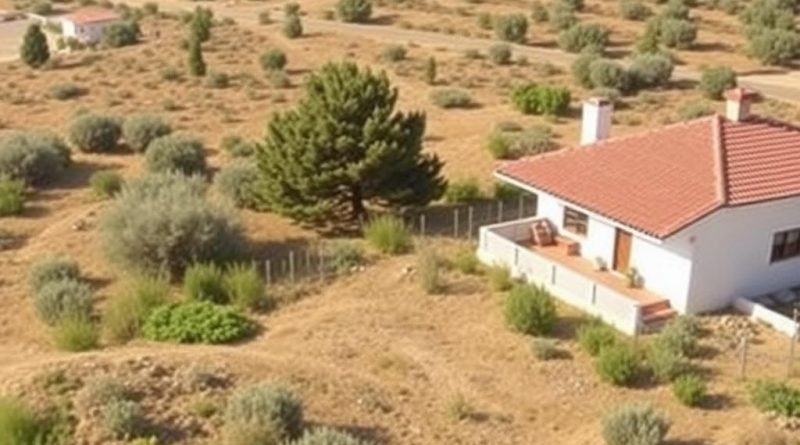
Buying Agricultural Land in Cyprus: Zoning Rules and Investment Potential
Cyprus has long attracted investors, expatriates, and agricultural entrepreneurs due to its strategic location, favorable climate, and evolving regulatory framework. Among the many opportunities available, buying agricultural land Cyprus stands out for those interested in land investment Cyprus, whether for farming, development, or long-term capital growth. However, this sector is governed by specific zoning regulations and planning policies that can affect the feasibility and profitability of these investments. Understanding Cyprus zoning categories and the restrictions surrounding building on agricultural land is essential to making informed decisions.
This article delves deep into the complexities of purchasing agricultural land in Cyprus, detailing the land classification system, the permitting process required for any intended use, and the broader investment potential. The goal is to provide a fully rounded and technically informed overview that equips potential buyers with the necessary knowledge to navigate the Cypriot property landscape.
Understanding Cyprus Zoning Categories: The Foundation of Land Investment
One of the fundamental steps before any transaction or development is understanding the Cyprus zoning categories. These classifications determine the permitted uses of land parcels, reflecting national, district, and local spatial policies. Cyprus organizes its land into several zoning categories designed to balance agricultural needs, urban expansion, environmental protection, and economic development.
The primary zoning categories relevant to agricultural land include:
- Agricultural Zone (Zone A): Reserved exclusively for agricultural activities, including farming, livestock, and related uses.
- Rural Zone: Allows limited building activities under specific conditions, often requiring strict adherence to environmental controls.
- Residential Zones: Mainly for housing developments, generally excluding agricultural use.
- Commercial/Industrial Zones: Used for commerce, manufacturing, and related operations, not applicable to agricultural land.
In addition to these, there are often buffer zones to protect environmentally sensitive areas, which can restrict development even further. These classifications are typically enforced through the Department of Town Planning and Housing and are regularly updated via local planning development plans.
Recognizing the Cyprus zoning categories is key to assessing what you can legally do with agricultural land, providing clarity on permissible activities and laying the groundwork for investment strategies.
How Zoning Influences Land Investment Cyprus
The zoning category assigned to a parcel distinctly shapes its market value and investment appeal. Agricultural land classified strictly for farming has limited development potential but may benefit from agricultural subsidies or grants. Conversely, land zoned for rural or mixed-use may carry higher values because of the possibility to apply for planning permission Cyprus to build residential or commercial structures, subject to conditions.
Investors should be particularly aware that zoning changes are occasionally proposed by municipalities to encourage growth or preserve heritage, but these are slow and complex processes. The speculative purchase of agricultural land in the hope of future rezoning carries significant risk without thorough due diligence.
Legal Framework Governing Buying Agricultural Land Cyprus
The process of buying agricultural land in Cyprus is governed by a comprehensive legal framework that sets out not only ownership rights but also restrictions on land use. In principle, foreign nationals are permitted to purchase agricultural land, but with certain conditions and procedural requirements that must be followed meticulously.
Firstly, one must ascertain land ownership rights through title searches and confirm that the land falls within a recognized zoning category. The Land Registry office administers property ownership documentation and ensures that transactions are lawful and transparent. Buyers are strongly advised to engage legally qualified professionals familiar with the Cypriot property market and zoning legislation to mitigate the risk of disputes or invalid sales.
Furthermore, while zoning rules may limit direct development, agricultural land can still be purchased for long-term holding or farming, provided the use aligns with the land’s classification. Any intent to build on agricultural land requires planning permission Cyprus, which must be secured before construction begins.
Legal clarity and compliance with Cyprus’s property laws are non-negotiable for safely buying agricultural land Cyprus and sustaining successful land investment Cyprus ventures.
Ownership for Foreign Buyers and Restrictions
For non-Cypriot residents, buying agricultural land Cyprus comes with extra hurdles. Under the Immovable Property (Tenure, Registration, and Valuation) Law, foreign buyers must typically apply for permits through the Council of Ministers if the land falls under agricultural zoning. This process can take several months and involves demonstrating the purchaser’s intended use consistent with agricultural development or public interest.
The rationale behind these controls is to protect agricultural land from speculative holding by ensuring it remains productive or contributes to local economies. Investors contemplating a purchase must plan for additional time and procedural oversight specific to these regulations.
Navigating Planning Permission Cyprus for Building on Agricultural Land
Building on agricultural land in Cyprus involves one of the most challenging aspects of land investment Cyprus. Since agricultural land is primarily designated for farming and conservation, obtaining planning permission Cyprus necessitates compliance with stringent criteria. The local district planning authorities evaluate applications based on environmental impacts, infrastructure access, and conformity with the current zoning plan.
Typically, the following guidelines apply:
- Permitted Construction: Small buildings directly related to agriculture such as storage facilities, greenhouses, or equipment sheds may be allowed without full residential permits.
- Residential or Commercial Buildings: Usually require a zoning change or special approval, which is difficult to obtain unless the project aligns with broader rural development plans.
- Infrastructure Requirements: Water supply, sewage disposal, road access, and electrical connections are prerequisites to approval.
Applications for planning permission Cyprus must include detailed architectural plans, environmental impact assessments, and evidence of land ownership and zoning compliance. The process can be lengthy and requires a thorough understanding of local regulations and engagement with municipal authorities.
Securing planning permission Cyprus for building on agricultural land is a meticulous process that demands precise documentation and alignment with zoning categories, making professional guidance critical.
Recent Trends and Policy Developments in Planning
The Cypriot government has shown increased interest in sustainable agricultural development and rural revitalization, reflected in recent policy frameworks that encourage eco-friendly and agro-tourism related projects. These initiatives occasionally allow more flexibility in converting agricultural land for specific building projects, provided they meet strict environmental and social criteria.
Nevertheless, despite some modernization of rules, the fundamental principles restricting building on agricultural land remain firm. Prospective investors must keep abreast of updates to planning frameworks or local development plans that might impact their project feasibility.
Assessing the Investment Potential of Agricultural Land in Cyprus
From the standpoint of land investment Cyprus, agricultural land offers a unique blend of stability and potential growth. The island’s favorable climate, access to markets in Europe and the Middle East, and evolving infrastructure underpin a strong agricultural heritage that continues to hold value.
Key factors influencing investment potential include:
- Location: Land nearer to infrastructure, tourist areas, or urban outskirts may have higher appreciation prospects.
- Soil quality and water access: Fertile and irrigated land is more valuable and versatile.
- Zoning and permitted uses: More flexible zoning categories enable diversified projects beyond traditional agriculture.
- Government supports: Subsidies for farming, grants for sustainable practices, and tax incentives enhance returns.
Although buying agricultural land Cyprus does not offer the immediate returns seen in residential development, it provides a relatively low-risk entry point with long-term appreciation opportunities, especially if zoning conditions change or if the investor focuses on high-value farming or agro-tourism ventures.
Investing in agricultural land in Cyprus offers stability and growth potential supported by strategic zoning awareness and alignment with sustainable development goals.
Comparisons with Other Forms of Property Investment
Compared to residential or commercial real estate, agricultural land carries a different risk-return profile. The lack of guaranteed planning permission for buildings means slower value increases and often reliance on agricultural productivity or external zoning modifications for capital gains. However, the barriers to entry are typically lower, transaction costs less volatile, and the land can retain intrinsic value as a finite resource.
Investors also benefit from Cyprus’s ongoing integration with the European Union’s agricultural common market, which can increase export opportunities and introduce stability through regulatory frameworks and subsidies.
Maximizing Returns: Strategies for Success in Agricultural Land Investment Cyprus
To optimize returns when buying agricultural land Cyprus, investors should adopt multifaceted strategies. First, conducting comprehensive due diligence on zoning rules and land titles is essential. This includes understanding neighboring land uses, infrastructure projects, and possible zoning updates.
Second, diversifying land use within permitted frameworks — such as combining traditional agriculture with eco-tourism or renewable energy installations — can transform an otherwise static asset into a dynamic income stream. Collaboration with local agricultural cooperatives or tapping into export markets for high-demand crops can also elevate profitability.
Third, engaging with planning authorities to explore options for gradual development or rezoning, accompanied by strong environmental stewardship, may increase the likelihood of securing permission for more substantial builds in the future.
Finally, maintaining an active presence or local representation ensures responsiveness to legislative changes and market trends, an advantage that passive investors may lack.
Strategic planning and diversified usage aligned with zoning rules can unlock the hidden value of agricultural investments in Cyprus while mitigating risks associated with regulatory constraints.
Your Next Best Move in Navigating Cyprus’s Agricultural Land Landscape
Buying agricultural land in Cyprus is not a decision to be taken lightly. It requires a solid grasp of the island’s zoning categories, a detailed understanding of the planning permission Cyprus process, and a clear vision of investment objectives. The opportunities are substantial but tightly controlled by law and policy.
Land investment Cyprus promises steady and sustainable growth when approached with thorough technical knowledge, legal compliance, and strategic foresight. Whether your goal is to build a farming enterprise, engage in agro-tourism, or hold land for capital appreciation, being well-informed about zoning and planning requirements can set you apart from the many who misunderstand this complex market.
In a landscape as dynamic as Cyprus, the key to success lies in combining respect for regulatory frameworks with innovative thinking that leverages the island’s natural advantages. With careful research, expert consulting, and patient execution, agricultural land in Cyprus can become a lucrative and fulfilling investment for years to come.
Frequently Asked Questions
- Can foreigners buy agricultural land in Cyprus?
Yes, foreigners can buy agricultural land in Cyprus, but they must obtain permits from the Council of Ministers, and the purchase must align with agricultural or public interest criteria. - What are the main Cyprus zoning categories affecting agricultural land?
The key categories include Agricultural Zone (Zone A), Rural Zone, Residential Zone, and Commercial/Industrial Zone, with agricultural land mainly falling under Zones A and Rural. - Is it easy to get planning permission for building on agricultural land?
No, obtaining planning permission Cyprus for construction on agricultural land is generally difficult and requires strict compliance with zoning and environmental regulations. - What kind of buildings are typically allowed on agricultural land?
Small structures directly supporting agricultural activity, like storage or machinery sheds, are commonly permitted, but residential or commercial buildings usually need special approvals. - How does zoning impact land investment Cyprus?
Zoning determines permissible uses, influencing land value, investment return potential, and development possibilities, making it a critical factor in investment decisions. - Are there government incentives for agricultural landowners?
Yes, Cyprus offers subsidies, grants, and tax incentives to landowners who engage in sustainable farming, rural development, and environmental protection activities. - Can agricultural land be rezoned for development?
Rezoning is possible but rare and involves a lengthy process that requires municipal approval and alignment with regional development plans.