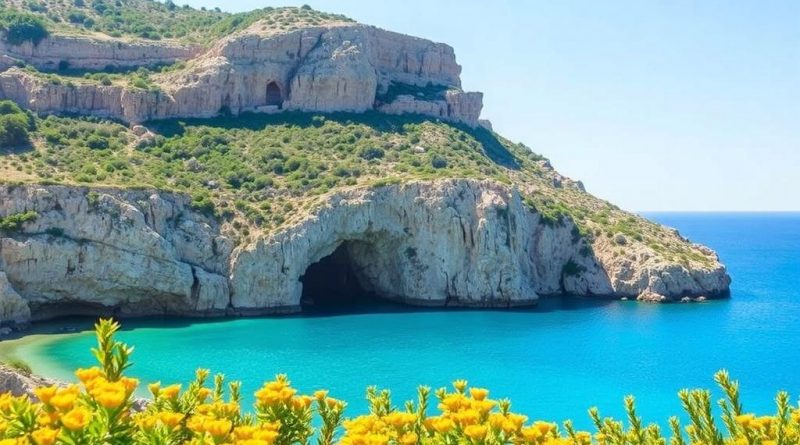
Budget Living: Comparing Cyprus to Madeira for Long-Stay Nomads
Choosing the right location for a long-term stay as a digital nomad demands a careful balance of budget considerations, lifestyle preferences, and practical logistics. Among Europe’s popular island destinations, Cyprus and Madeira consistently emerge as strong contenders for remote workers seeking a vibrant yet affordable environment. Both offer enticing landscapes, mild climates, and relatively accessible infrastructure, but the nuances between the two lie heavily in their respective costs and living experiences.
This article delves deeply into the cost of living Cyprus vs Madeira, offering an exhaustive digital nomad budget comparison. It evaluates housing costs, island living expenses beyond just rent, and overall financial feasibility. For long-stay nomads, especially those who depend on stable remote work arrangements, understanding these factors is crucial before setting down roots. By dissecting each point, you’ll gain clarity on which destination aligns best with your budget and lifestyle ambitions.
Understanding the Appeal of Cyprus and Madeira as Europe Nomad Destinations
Cyprus and Madeira share common traits that attract remote workers. Both boast excellent natural beauty, access to the sea, and a warm Mediterranean climate conducive to year-round outdoor living. Yet, the two differ culturally and geographically in ways that affect everyday life and costs.
Cyprus, located in the Eastern Mediterranean, is steeped in history with a blend of European and Middle Eastern influences. It’s larger in size compared to Madeira and offers a wide array of urban and rural settings from which nomads can choose. The island maintains good internet connectivity and has pockets of thriving expat communities.
Madeira, an autonomous region of Portugal, is a volcanic archipelago in the North Atlantic Ocean. It’s smaller but uniquely lush, often celebrated for its subtropical climate, dramatic cliffs, and excellent hiking trails. Its status as part of Portugal also lends it European Union benefits, including currency stability and healthcare access, which can influence long-term living ease and security.
Choosing between Cyprus and Madeira hinges not just on cost, but on how their unique environments and infrastructures suit your nomadic lifestyle.
Digital Nomad Budget Comparison: Cost of Living Cyprus vs Madeira
When comparing the cost of living Cyprus vs Madeira, it’s necessary to break down expenses into clear categories: housing, food, transportation, utilities, and leisure. These form the core budget considerations for any long-term resident.
Both islands offer reasonably affordable living compared to major European cities, but significant differences exist:
| Expense Category | Cyprus (EUR/month) | Madeira (EUR/month) | Notes |
|---|---|---|---|
| Rent (1-bedroom apartment, city center) | 450 – 650 | 600 – 800 | Madeira generally commands higher rent in prime locations |
| Groceries (per person) | 180 – 250 | 200 – 270 | Both have access to local produce; Cyprus slightly cheaper |
| Utilities (electricity, water, internet) | 90 – 120 | 100 – 140 | Madeira’s utilities can be marginally costlier due to geography |
| Transportation (monthly pass/public transport) | 40 – 60 | 30 – 50 | Public transit better developed in Madeira’s city areas |
| Eating out (mid-range restaurant, per meal) | 8 – 12 | 12 – 15 | Madeira’s dining out is pricier but often higher quality |
This immediate comparison underscores that Cyprus tends to be more budget-friendly, particularly for housing and groceries. However, Madeira often justifies its premium with superior services and quality of life nuances, which are important for many remote workers who prioritize comfort alongside cost.
While Cyprus edges out Madeira in affordability, the trade-off may come in lifestyle quality and convenience that Madeira offers.
Housing Costs and Availability for Remote Work
Housing stability and affordability are critical for long-stay nomads. The type of accommodation you select will strongly impact month-to-month expenses and overall satisfaction.
In Cyprus, the real estate market presents a variety of choices from modern apartments in buzzing urban hubs like Nicosia and Limassol to quieter coastal villas in Paphos. The rental market is well established, with increasing options targeting foreign remote workers. Due to a lower demand relative to other European digital nomad hotspots, housing costs remain relatively restrained. Many landlords offer furnished units with high-speed internet included, catering specifically to expatriates.
Madeira offers fewer but rapidly growing housing options. The main city, Funchal, is the hub for most nomads. Apartments here tend to be newer or recently renovated, especially those marketed to short-to-medium term renters. However, because of Madeira’s insular nature and burgeoning interest as a trendier remote work destination, prices have risen in recent years. The quality of build, scenic views, and closer-knit rental regulations give Madeira a more premium feel at a higher cost.
Outside the main cities, both islands provide rural or suburban living options. These are appealing for those seeking tranquility and deeper immersion but may compromise convenience to coworking spaces and social hubs.
Securing housing that fits both budget and workspace needs is easier in Cyprus, but Madeira’s quality and scenic appeal might justify the premium for some.
Island Living Expenses Beyond Housing
Island living expenses extend beyond rent and utilities. Remote workers must consider monthly costs tied to food, transportation, health services, and entertainment — all essentials for balanced living.
Food costs in Cyprus benefit from local agricultural production, with markets offering fresh fruits, vegetables, and traditional Mediterranean staples at lower prices. Urban supermarkets provide imported goods, but their prices fluctuate based on supply chains. Dining out remains competitive, with numerous local tavernas serving affordable meals under €10.
Madeira’s food scene is robust but generally more expensive. Imports account for a higher percentage of fresh produce and specialty items. The island is renowned for high-quality seafood and wine, which can elevate meal prices. Dining out tends to be pricier, especially in tourist hotspots, though it offers a richer gastronomic experience.
Transportation costs are another factor. Cyprus relies heavily on private cars due to scattered urban planning and limited public transport. Renting or buying a car is common, adding to monthly expenses. Conversely, Madeira has a more effective public transport system in Funchal and around the island, making car ownership optional depending on lifestyle.
Healthcare costs are an unavoidable consideration. Both regions provide public healthcare options, but expats frequently opt for private insurance or clinics, affecting monthly budgets differently. Madeira benefits from EU healthcare standards, and Cyprus maintains decent options but with regional variance in quality.
Beyond rent, island living in Cyprus leans more affordable but less convenient transport-wise, while Madeira demands higher spending balanced by stronger services.
Internet Connectivity and Remote Work Infrastructure
A reliable internet connection is non-negotiable for remote workers. Both Cyprus and Madeira have invested in improving digital infrastructure, but their realities differ.
Cyprus enjoys widespread 4G coverage and growing availability of fiber-optic internet in urban centers. Many rental properties now include high-speed internet packages suited for video conferencing and large file uploads. Coworking spaces are expanding, mostly concentrated in Nicosia and Limassol, catering to the digital nomad community. The time zone overlap for Cyprus also benefits those working with European and Middle Eastern clients.
Madeira has also ramped up broadband speeds, with fiber reaching most residences in Funchal. The regional government actively promotes the island as a digital nomad destination, investing in co-living and coworking hubs. While the options aren’t as extensive as in large cities, they suffice for stable remote operations. Madeira’s time zone (Western European Time) aligns well with Central and Western Europe, making scheduling straightforward.
Both islands face occasional challenges with undersea cables and weather-related disruptions but maintain generally dependable service for professional needs.
Both Cyprus and Madeira offer adequate digital infrastructure, but regional building density and government initiatives position them slightly differently for remote work.
Quality of Life and Cultural Considerations
Budget is fundamental, but long-stay nomads must weigh cultural integration, safety, and lifestyle satisfaction.
Cyprus offers a rich cultural tapestry that mixes Greek and Turkish influences, with festivals, cuisine, and social norms reflecting this diversity. English is widely spoken, especially in tourist and expat areas, easing adaptation. The island’s size provides endless exploration possibilities and a sense of connected community for long-term residents.
Madeira’s Portuguese heritage shines through its language, customs, and cuisine. The local population is known for hospitality, and a slower island rhythm suits those seeking balance and nature immersion. Festivals like the Flower Festival add vibrancy to community life. While English proficiency is good in services and tourist zones, learning some Portuguese is highly beneficial for deeper interaction.
Safety on both islands is generally high, with low crime rates, though petty theft can occur in tourist sectors. Healthcare accessibility, public order, and political stability further enhance the quality of life, contributing to their attractiveness among Europe nomad destinations.
Cyprus offers cultural variety and urban-rural balance, while Madeira promises serene nature and Portuguese charm—both enriching long-term living experiences.
Practicalities for Long-Term Stay: Visa Availability and Costs
For nomads planning extended stays, visa regulations and administrative costs can impact budgeting and legal compliance.
Cyprus offers a straightforward residency permit procedure for EU citizens and digital nomad visas are evolving, aiming to attract remote workers with tax incentives and reasonable application fees. Non-EU remote workers might require long-stay visas outlining income requirements and health insurance coverage.
Madeira benefits from Portugal’s digital nomad-friendly policies, including the D7 visa for those with independent income sources. The process is transparent, with reasonable fees and allowances for family inclusion. The advantage of an EU member state is significant for finances and mobility within Europe, easing travel and banking setups.
Both locations also have taxation considerations on foreign-earned income, but recent reforms have created favorable conditions for international workers seeking long-term residence.
Visa policies in Cyprus and Madeira aim to accommodate remote workers, with Madeira’s EU ties offering added convenience for many nomads.
Choosing Your Ideal Island: Making an Informed Budget Decision
Deciding between Cyprus and Madeira for long-term nomad life ultimately boils down to balancing cost, lifestyle preferences, and practical needs. Both islands offer compelling advantages but cater to slightly different priorities.
Cyprus stands out for nomads seeking lower housing costs and more affordable daily expenses. Its cultural mix and geographic location suit those wanting a blend of European yet somewhat exotic ambiance. Although public transport and urban development vary widely, the overall cost of living Cyprus vs Madeira gives it an edge for strict budgets.
Madeira appeals to digital nomads willing to invest more for higher quality amenities, consistent public transport, and EU residency benefits. Its natural beauty and growing remote work infrastructure create an inviting environment for those valuing comfort and community in a subtropical setting.
Ultimately, your decision should include careful consideration of your digital nomad budget comparison needs, the island living expenses you prioritize, and what housing costs remote work demands within your lifestyle framework.
Both Cyprus and Madeira are viable islands to build a fulfilling remote work life; it’s the subtle details of budget and lifestyle that tip the scale.
Finding Your Freedom: Moving Forward with Confidence
Embarking on a long-stay nomadic journey in either Cyprus or Madeira requires more than just numbers. While this comprehensive analysis reveals the financial framework for island living expenses, the true essence lies in personal goals, adaptability, and your vision of everyday life.
Budget planning is pivotal to avoid surprises, and understanding each island’s nuances empowers better decision-making. Whether you prioritize affordability or enhanced services, vibrant cultural seasons or tranquil nature, Cyprus and Madeira each offer a unique doorway to the digital nomad dream. By blending a meticulous evaluation of costs with a heartfelt consideration of lifestyle, you unlock the foundation needed for productive, enjoyable remote work in some of Europe’s most attractive locales.
Now, as you weigh your options, remember that this is not just a comparison of prices but an invitation to enrich your life with new experiences in carefully chosen surroundings. Your nomadic future, budget-conscious yet full of potential, starts here.
Choosing between Cyprus and Madeira means selecting your ideal form of freedom—financially smart, culturally fulfilling, and professionally viable.
Frequently Asked Questions
-
Which island has a lower overall cost of living, Cyprus or Madeira?
Cyprus generally has a lower overall cost of living, especially regarding housing and daily groceries, making it more affordable for long-term nomads. -
Is internet connectivity reliable enough in both places for remote work?
Both Cyprus and Madeira provide reliable high-speed internet with growing fiber-optic coverage, suitable for most remote work needs. -
How do housing markets compare in terms of availability and quality?
Cyprus offers broader housing options at more affordable prices, while Madeira provides high-quality accommodations but at a higher cost due to increased demand. -
What are the visa and residency options for digital nomads on each island?
Madeira benefits from Portugal’s established digital nomad visas and EU residency processes, while Cyprus is developing similar frameworks with varying requirements depending on citizenship. -
Are transportation costs higher in Cyprus or Madeira?
Transportation tends to be more costly in Cyprus due to reliance on private vehicles, whereas Madeira’s better public transport system can reduce monthly expenses. -
Which island offers better healthcare access for expats and nomads?
Madeira, as part of Portugal’s EU system, provides more consistent healthcare access, though both islands have adequate public and private options. -
How does lifestyle differ between the two islands for long-term residents?
Cyprus tends to have a culturally diverse, somewhat urban-rural balanced lifestyle, while Madeira offers a more tranquil, nature-oriented, and compact community experience.